By
By By: Alphanso G. Kalama;

Sochi, Russia – In a significant step towards deepening diplomatic relations, Russia has announced plans to open an embassy in Liberia, furthering its engagement with the African continent. The move comes as part of Russia’s broader strategy to expand its presence across Africa, a key focus during the First Ministerial Conference of the Russia-Africa Partnership Forum.*
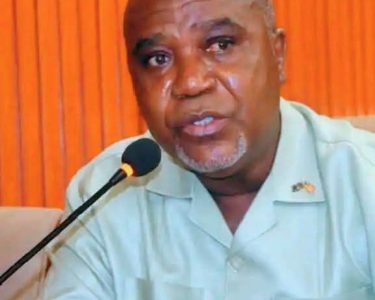
During the forum, Liberia’s Deputy Minister for International Cooperation, Ibrahim Al-bakri Nyei, emphasized the country’s commitment to stronger ties with Russia, particularly in areas like trade, technical cooperation, and peacebuilding. Representing both Liberia’s Foreign Minister Sara Beysolow Nyanti and President Joseph Nyuma Boakai, Nyei reiterated Liberia’s alignment with the priorities set during the 2023 Russia-Africa Summit, which included collaboration on energy security, economic development, and scientific research.
Nyei also highlighted Liberia’s role within the ECOWAS (Economic Community of West African States), noting the challenges faced in resolving conflicts in the region due to complex external influences and proxy wars. He called on Russia and other international partners to support peace efforts in West Africa, advocating for unity and negotiated political settlements.
In addition to Liberia’s diplomatic initiatives, Nyei announced the country’s candidacy for a non-permanent seat on the United Nations Security Council for 2025-2026, positioning Liberia as a peacebuilding leader on the global stage. As a post-conflict success story, Liberia seeks to share its peace experience while supporting Security Council reforms aimed at greater inclusivity and responsiveness to global challenges.
The announcement of the new Russian embassy marks a new chapter in Liberia’s long-standing relations with Russia, which date back to the 1950s. As Liberia pursues its national development agenda in line with African Union’s Agenda 2063, the partnership with Russia is poised to contribute to addressing pressing challenges like poverty, climate change, and inequality.