By
By By Alphanso G. Kalama;

In a rare diplomatic twist, the U.S. Embassy in Liberia has responded to reports suggesting a potential thaw in Liberia’s relations with Russia. In a statement issued by Raymond Stephens, the U.S. Embassy’s Public Affairs Officer, the U.S. took the opportunity to express its concerns about Russia’s expanding influence in Africa. Stephens emphasized that the U.S. was closely monitoring Liberia’s diplomatic posture and reiterated its commitment to strengthening ties with Liberia, particularly in the areas of economic development, humanitarian aid, and military cooperation. However, he also criticized Russia’s foreign policy in Africa, accusing Moscow of attempting to destabilize democracies by exploiting divisions and promoting values contrary to those of the West, such as undermining human rights and democratic governance.
These comments followed an official clarification from Liberia’s Ministry of Foreign Affairs, which sought to dispel rumors that the country was seeking to strengthen diplomatic ties with Russia. While Liberia confirmed that it had maintained diplomatic relations with Russia since 1972, the ministry emphasized that no changes to this relationship were being considered. Liberia’s Deputy Minister for International Cooperation, Dr. Ibrahim Nyei, who attended the recent Russia-Africa Summit, also sought to allay fears, asserting that his participation in the summit was purely for economic and diplomatic discussions and not a signal of a shift in Liberia’s foreign policy.
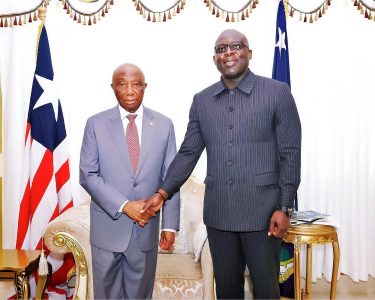
Despite Liberia’s reassurances, the issue has sparked controversy at home. The opposition Congress for Democratic Change (CDC) has expressed alarm over the government’s engagement with Russia, accusing President Joseph Boakai of covertly aligning with Russia, particularly during his election campaign. Critics fear that such an alliance could jeopardize Liberia’s strong relationship with the United States and undermine the country’s national security.
Russia, on the other hand, has made it clear that it is eager to expand its influence in Africa, including in Liberia. Moscow’s strategic goals are multifaceted—tapping into Liberia’s natural resources, establishing a foothold in the region, and countering Western dominance. The proposed reopening of Russia’s embassy in Liberia is seen as part of this broader strategy, which includes military cooperation and investments in sectors like mining and agriculture. Russia has also expressed interest in providing military expertise and equipment to help Liberia strengthen its security forces, a key concern for the government as it continues to rebuild after years of civil conflict.
At the Russia-Africa Summit, Russian President Vladimir Putin pledged his country’s “total support” for Africa, highlighting counterterrorism efforts and economic development as key areas of cooperation. Russia’s growing presence in Africa, especially through military alliances with countries like Mali and Burkina Faso, is viewed by some African leaders as an alternative to Western interventions. With its strategic position on the Atlantic coast, Liberia’s participation in these alliances could provide Russia with access to vital trade routes, while also boosting Liberia’s leverage in international forums, particularly the United Nations.
While Liberia has long maintained close ties with the West, particularly the United States, President Boakai’s administration may see diversification of diplomatic ties as a way to reduce Liberia’s dependence on Western powers. With ongoing challenges in infrastructure, energy, and military rebuilding, Boakai may see Russia as a potential partner in meeting these needs, though this comes with the risk of alienating traditional allies.
Ultimately, Liberia’s relationship with Russia represents a delicate balancing act. On one hand, it offers new economic opportunities and political leverage. On the other, it risks straining long-standing relationships with Western powers. As the global geopolitical landscape continues to shift, Liberia’s decisions on foreign relations will likely have significant implications for its future—both regionally and globally.
Credit: IP