 By
By By: Staff Writer
Months after Liberian Mobbed to death in Ghana, Liberian Lawmaker has Raised Concerns at Regional Parliament over Mistreatment of Liberians.
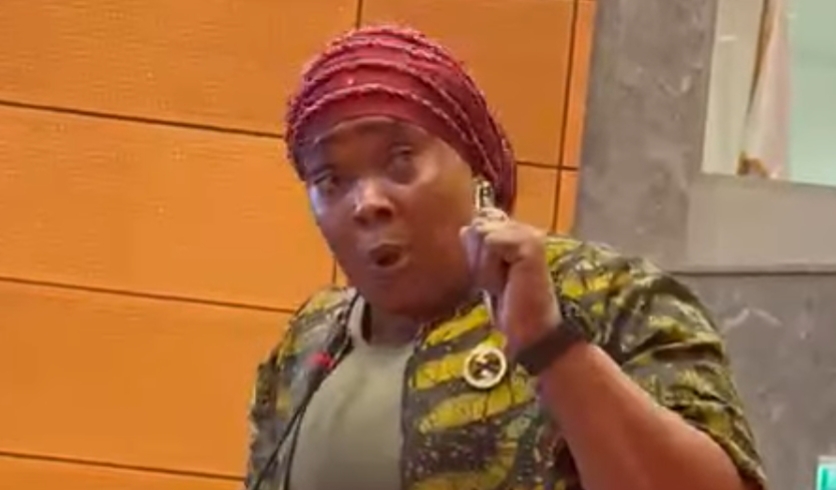
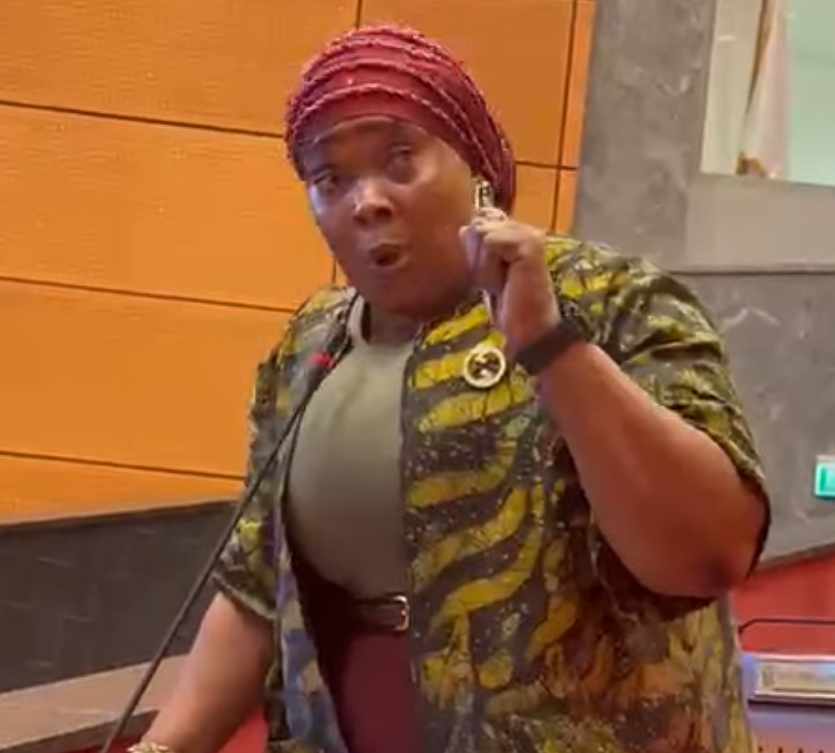
A Liberian representative at the ECOWAS Parliament, Moima Briggs Mensah, has drawn regional attention to the treatment of Liberian nationals in Ghana just when tears is still in the eyes of many over mob-violence that left a Liberian dead, raising concerns that could reignite debate over migration and coexistence within West Africa.
Speaking during a session in Abuja, Mensah questioned whether recent developments in Ghana reflect a shift in attitude toward foreign nationals, particularly Liberians who previously lived in refugee settlements.
Her remarks follow the closure of the Buduburam refugee camp in 2024, a long-standing settlement that hosted thousands of Liberians during and after the country’s civil conflict. According to Mensah, the shutdown of the camp left many former residents in difficult conditions, with some reportedly seeking shelter in churches and public facilities before arrangements were made for their return to Liberia.
Mensah disclosed that communication from the Embassy of Liberia in Ghana indicates that at least 802 family heads are prepared to return home, citing economic hardship and challenges in sustaining themselves. She stressed that many of those affected are no longer recognized as refugees but continue to face vulnerabilities.
The issue has brought renewed focus on how former refugees are integrated after official camp closures, especially in countries that have hosted displaced populations for decades.
Regional Implications
Beyond the Liberia-Ghana situation, the concerns raised at the ECOWAS Parliament reflect broader anxieties about migration management across the sub-region. Discussions around crime, economic strain, and the movement of citizens within member states have increasingly shaped national conversations, sometimes fueling tension between host communities and migrants.
While there have been reports of growing unease in parts of Ghana regarding foreign nationals, authorities in Accra have not formally adopted any policy targeting specific nationalities. Nonetheless, the debate highlights the delicate balance between domestic priorities and regional commitments under the Economic Community of West African States framework, which promotes free movement and integration.
Ghana’s Regional Standing
Ghana has historically maintained strong diplomatic and social ties with its neighbors and is widely regarded as one of the more stable and welcoming countries in the region. It has hosted refugees from several West African conflicts and played key roles in peacekeeping and regional diplomacy.
However, like many countries, Ghana faces economic pressures that have influenced public discourse on migration. Analysts note that while isolated tensions may emerge, they do not necessarily reflect a broader state policy of exclusion.
Background on Liberian Refugees
Liberians began relocating to Ghana in large numbers during the civil wars of the 1990s and early 2000s, with the Buduburam camp becoming one of the most prominent refugee settlements in West Africa. Over time, as stability returned to Liberia, repatriation efforts intensified, leading to the eventual closure of the camp.
The transition, however, has not been seamless for all. Some former residents opted to remain in Ghana, seeking livelihoods outside formal refugee structures, while others have gradually returned home through government-supported initiatives.
Call for Dialogue
Mensah’s intervention underscores the need for continued dialogue among ECOWAS member states to address migration concerns without undermining regional unity. Observers say sustained engagement will be critical in ensuring that issues surrounding migrants and former refugees are handled with sensitivity and cooperation.
As the conversation unfolds, the question raised at the regional parliament continues to resonate, placing a spotlight on how West African nations navigate the complex realities of migration, identity, and shared responsibility.