 By
By By: Staff Writer
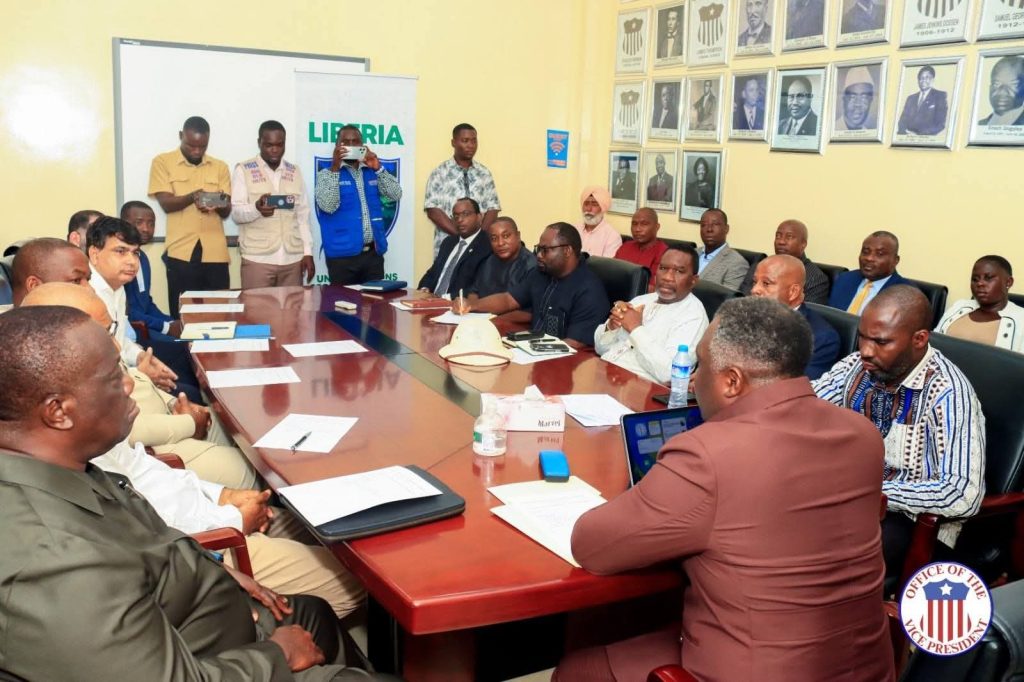
MONROVIA, — The Government of Liberia says it will begin full enforcement of a decades-old law that reserves 26 business sectors exclusively for Liberian citizens, giving itself a 30-day window to roll out the measure.
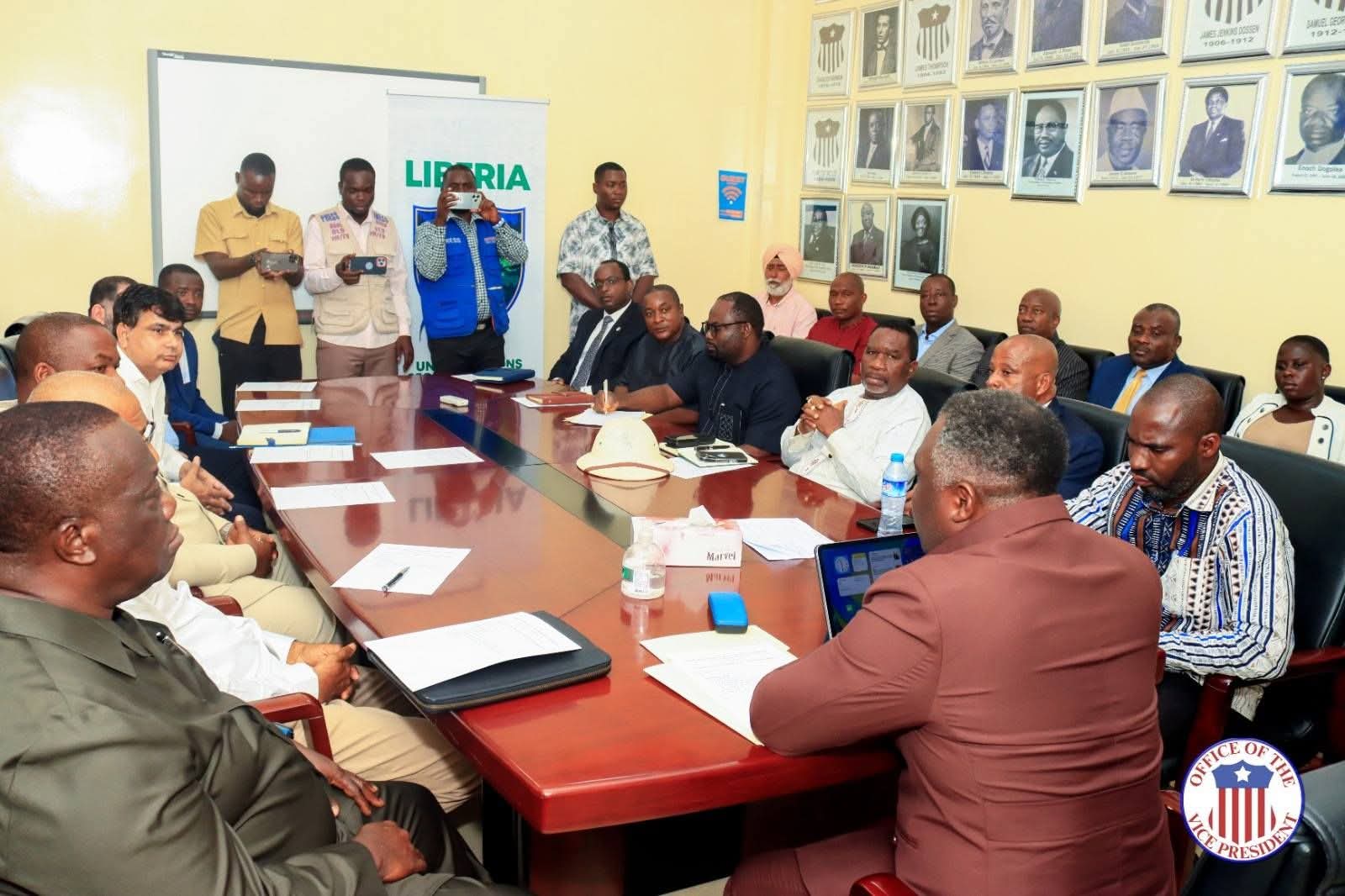
Vice President Jeremiah Kpan Koung announced the plan Tuesday during a meeting with local manufacturers and distributors in Monrovia, declaring that Liberians will now have exclusive rights to distribute locally made goods.
“Full enforcement will commence within thirty days,” Koung said, signaling what officials describe as one of the most aggressive pushes in years to reclaim space for Liberian-owned enterprises.
Pressure From the Street to the Mansion
The move follows mounting public pressure from Liberian business groups and youth advocates who say foreign nationals have taken over retail, transport, and distribution chains legally set aside for citizens under the 1975 Liberianization Policy.
Recent radio talk shows, street protests by petty traders, and petitions to the Legislature have accused the government of looking the other way while Liberians were reduced to “fronts” for foreign operators. The issue gained fresh urgency after several local manufacturers complained that foreign distributors were squeezing them out of their own market.
Those frustrations boiled over in a series of consultations led by the Vice President with local business stakeholders. Deliberations, according to participants, focused heavily on complaints that some Liberians are fronting for foreign nationals in protected sectors — a practice Koung said “undermines the intent of the policy and weakens genuine local enterprise.”
Local Firms Step Forward
In response to the government’s announcement, several Liberian-owned companies said they are ready to take over distribution nationwide. Jungle Water, Bill Delamou Trading, and Exodus Entertainment Center told the meeting they have the operational capacity, financial strength, and networks to handle supply chains once dominated by foreigners.
Participating distributors pledged to support Liberian-owned retail shops by maintaining reliable product flow and building stronger domestic partnerships, with the goal of boosting availability of goods while expanding local participation in the economy.
Loopholes and Next Steps
Still, stakeholders warned that enforcement will be tested by attempts to bypass the law. They cautioned that foreign-owned entities could exploit gaps through proxy arrangements using Liberian names.
To counter that, participants agreed to widen engagement to include producers, manufacturers, and Liberian distributors in crafting a coordinated framework meant to stabilize the market and drive sustainable growth.
Speaking later on state broadcaster ELBC, Vice President Koung reaffirmed what he called the government’s “strong political will” to fully implement the measures and ensure Liberians derive “maximum benefit from protected economic opportunities.”
The 1975 Liberianization Law reserves businesses such as ice cream sales, sand supply, gas stations, tire repair, and importation of rice, among others, exclusively for Liberian citizens. Enforcement has been inconsistent since the end of the civil war, with successive administrations criticized for failing to act.
With the 30-day clock now ticking, attention shifts to how the Ministry of Commerce and enforcement agencies will identify violators, close loopholes, and withstand potential legal and diplomatic pushback from affected foreign businesses.