 By
By By: Staff Writer
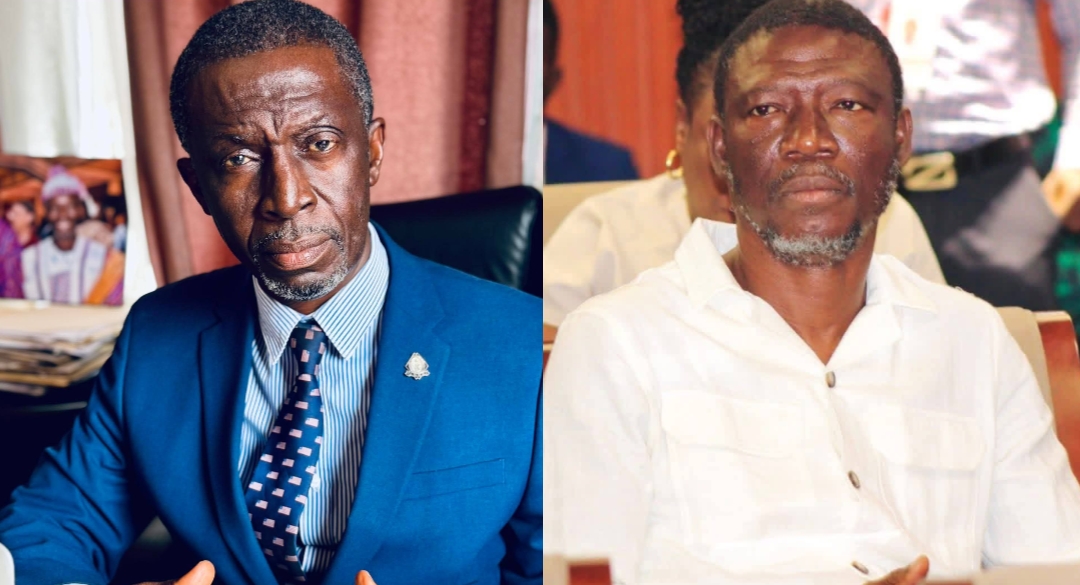
Senior Liberian lawyer and former Solicitor General, Tiawan Saye Gongloe, has strongly criticized a recent communication from the Liberia National Police (LNP), describing it as “legally unsound and constitutionally dangerous” in its call for legislative action against Representative Yekeh Kolubah.
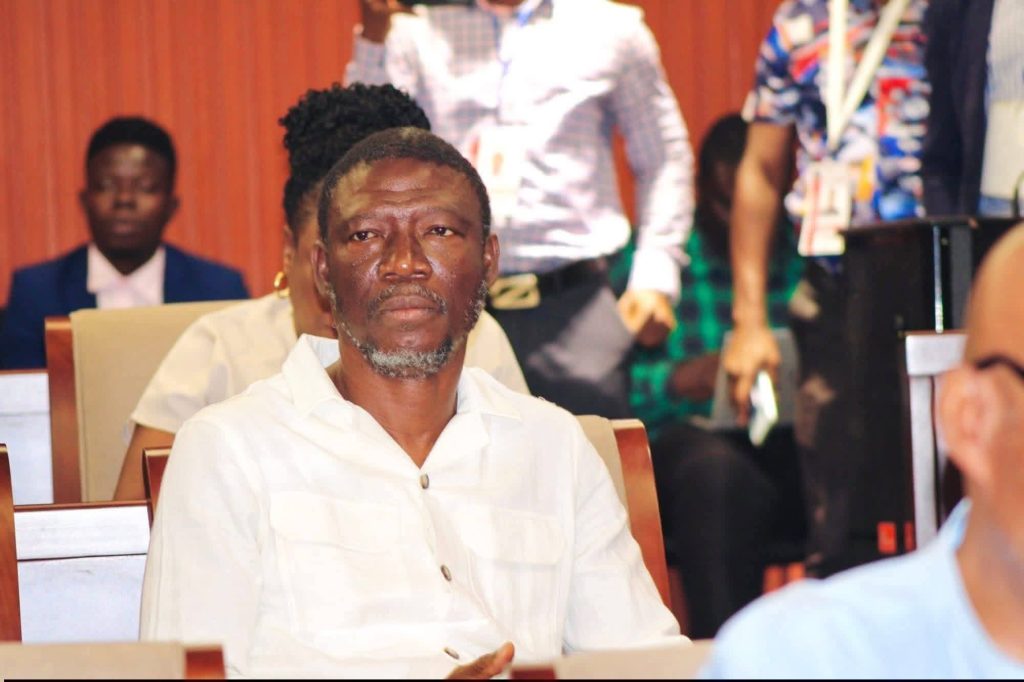
The controversy stems from a formal communication reportedly issued by the Inspector General of Police to the House of Representatives of Liberia, urging the body to take action against Kolubah over allegations of treason. The communication has since triggered intense legal and political debate, with concerns over the proper interpretation of Liberia’s constitutional processes.
Kolubah, known for his outspoken criticism of government policies, has recently come under pressure following statements he reportedly made regarding sensitive national issues, including allegations tied to the Makona River. His remarks have drawn backlash from state authorities, placing him at the center of a growing political and legal storm.
In a detailed legal commentary, Gongloe argued that the LNP’s approach reflects a fundamental misunderstanding of the law. He stressed that treason is strictly a criminal offense that must be addressed through the courts—not through legislative sanctions such as impeachment or expulsion.
“The communication from the Inspector General of Police calling on the House of Representatives to take action against Hon. Kolubah for treason is not only misplaced—it is legally unsound and constitutionally dangerous,” Gongloe asserted.
He added that if authorities genuinely believe Kolubah committed treason, the lawful path is clear: arrest, formal charges, and prosecution before a competent court. According to him, the Legislature lacks the authority to determine criminal guilt.
Gongloe warned that any attempt by lawmakers to remove Kolubah based on alleged criminal conduct would undermine the doctrine of separation of powers—a cornerstone of democratic governance.
“The Legislature is not a criminal court and cannot determine guilt or innocence for such an offense,” he emphasized, cautioning that blending judicial and legislative roles could set a dangerous precedent for abuse of power.
Drawing from his experience as former Solicitor General, Gongloe recalled that during his tenure, sitting lawmakers accused of crimes were prosecuted through the judicial system rather than removed through political maneuvers.
The prominent human rights lawyer also raised concerns about the potential suppression of free speech. He argued that controversial or unpopular statements by lawmakers do not automatically amount to treason.
Referencing global democratic norms, Gongloe noted that public officials in other countries frequently criticize their governments without facing criminal accusations. He cited U.S. Senator Bernie Sanders as an example of a lawmaker who has openly challenged government actions without legal repercussions.
On the substance of Kolubah’s claims, particularly those relating to the Makona River, Gongloe called for a more measured response. He urged President Joseph Boakai to establish an independent commission of inquiry to investigate the allegations.
He pointed to the precedent set by former President William R. Tolbert following the 1979 Rice Riots, where a commission was used to ascertain facts and recommend solutions.
According to Gongloe, such a process would allow Kolubah and other relevant individuals to present evidence, ensuring transparency and adherence to due process.
Meanwhile, Representative Kolubah continues to face mounting political pressure, with some lawmakers reportedly considering disciplinary measures in response to his recent statements. The situation has further deepened tensions within the Legislature, raising concerns about political intolerance and institutional overreach.
Gongloe concluded his commentary with a broader warning about the implications of the ongoing situation for Liberia’s democracy. He stressed that allowing political considerations to override legal principles could weaken institutions and erode public trust.
“Liberia must resist the temptation to substitute law with power,” he cautioned. “The law must guide politics—not the other way around.”
As the debate unfolds, the Kolubah case is shaping into a critical test of Liberia’s commitment to constitutional governance, rule of law, and the protection of democratic freedoms.