By
By By: Editorial Board, The People News Online

When former Miss Liberia Wokie Dolo took to Facebook calling for a complete ban on harmful traditional practices, including Female Genital Mutilation (FGM), she reignited one of Liberia’s most polarizing debates — the tug of war between cultural preservation and human rights reform. Her message, on its face, was sound and necessary. But her critics have a point — the messenger herself complicates the message.
There is no denying that Dolo’s call to end FGM echoes a growing global and local consensus. The practice has long left generations of Liberian girls physically and psychologically scarred. It is a violation of bodily autonomy and a practice incompatible with modern human rights standards. The advocacy for change, therefore, deserves attention.
However, the credibility of advocacy often rests not only on the message but on the moral authority of the messenger. And this is where Wokie Dolo falters.
For years, Dolo has been known for her flamboyant, Western-influenced lifestyle — beach parties, revealing fashion choices, and a public image far removed from the traditional modesty and discipline she now claims to champion. To many, she represents the very cultural drift she is now denouncing. It is this contradiction that has fueled public skepticism and accusations of hypocrisy.
How does one who has openly embraced the “modern” lifestyle of smoking, half-dressed public outings, and social media flamboyance suddenly become the moral voice against traditional excesses? The concern is not about judging personal choices, but about the inconsistency between her lived example and the cultural sensitivity her message demands.
Liberians are not rejecting her message because they support harmful practices; they are rejecting it because the messenger lacks alignment with the values she invokes. Authentic advocacy requires moral coherence — a sense that one lives what one preaches. When that coherence is missing, even a noble cause risks being trivialized.
Wokie’s call for reform could have landed differently had it come from someone who has walked the talk of cultural restraint or demonstrated consistent engagement with traditional women’s institutions. Instead, her image evokes a Westernized modernity that many rural Liberians view as an outright rejection of their identity.
This is the paradox of Liberia’s current cultural debate: those calling for reform often appear detached from the traditions they seek to change, while those defending culture often ignore the pain those traditions cause. Both sides lose credibility when they refuse to confront their contradictions.
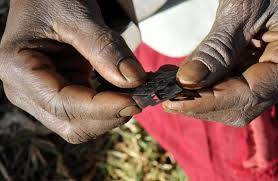
The issue of FGM deserves a serious national conversation — one grounded in empathy, context, and respect. But for that conversation to be effective, its advocates must not only speak truth but embody integrity.
Wokie Dolo’s message — to end harmful practices — is indeed righteous and long overdue. But for many Liberians, her sudden transformation from beauty queen and Western socialite to moral crusader rings hollow. Until she reconciles her personal lifestyle with the cultural and moral values she now seeks to reform, her message will continue to sound right — but come from the wrong voice.
Liberia needs reformers who not only talk about cultural evolution but also reflect it in their own conduct. The message may be noble, but when the messenger stands in contradiction to it, the cause risks losing the moral weight it deserves.