
 By
By By: Staff Writer
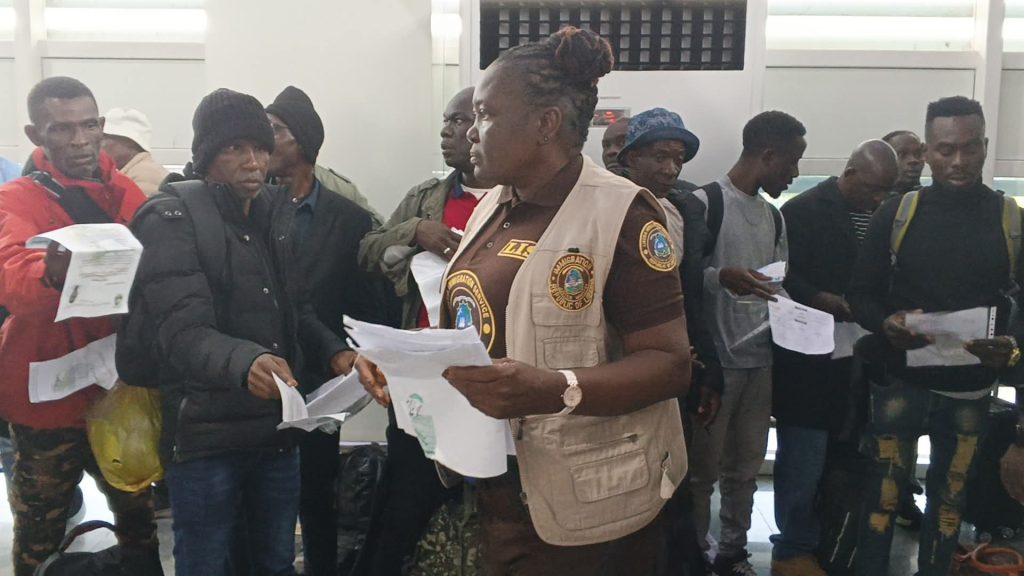
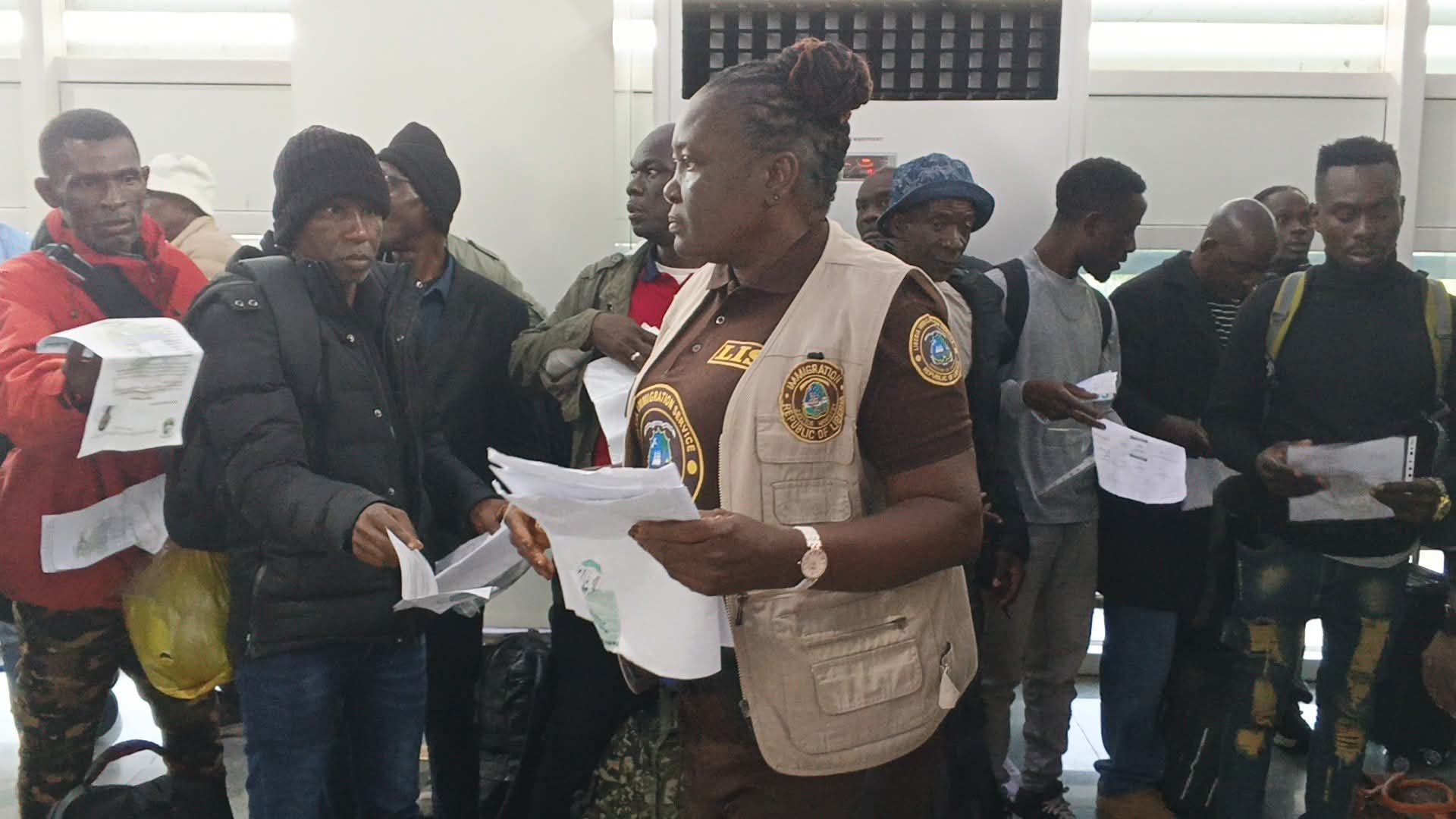
Margibi County – They landed at Roberts International Airport at 2:35 p.m. with suitcases, not cargo. Seventeen Liberians who asked to come home from South Africa arrived Wednesday on Ethiopian Airlines, the first of 29 registered for voluntary repatriation as xenophobic attacks spike again.
The Liberia Refugees Repatriation and Resettlement Commission received them. For LRRRC, it was a rescue mission. For the returnees, it was starting over.
This is not 2015 or 2019. This is 2026, and the pattern hasn’t changed: Liberians go to South Africa for trade and school, build small businesses, then run when mobs target “foreigners.” What has changed is what they’re coming back to — an economy with few safety nets and a government agency with a mandate bigger than its budget.
LRRRC Executive Director Cllr. Jeror Cole Bangalu met the group on the tarmac and urged calm. “We encourage you to remain hopeful. The Government of Liberia is doing everything possible to help you rebuild your lives and restore your hope,” Bangalu said.
He confirmed 12 more are expected “in the coming days.” No figure was given for how their flights will be funded, or what happens after arrival.
The cost you don’t see in the press release
The headlines will say “17 repatriated.” The story is what they left behind.
Alexander Saytonneh was among those on the flight. He didn’t come home for opportunity. He came home because his shop was gone. “I lost my businesses as a result of the xenophobic attacks. The experience was frightening,” Saytonneh said.
He also came home alone. His wife is Zimbabwean. His son is in 12th grade in South Africa and can’t leave until school closes. “My son is expected to return to Liberia after the closure of his secondary school,” Saytonneh said.
That’s the angle most miss: repatriation solves safety, not separation. It doesn’t transfer school credits. It doesn’t replace inventory. It doesn’t reunite mixed-nationality families.
Why this keeps happening
South Africa’s anti-foreigner violence cycles with unemployment. West Africans — Nigerians, Ghanaians, Liberians — run spaza shops and phone businesses in townships. When the economy contracts, they’re the first blamed.
Liberia has no bilateral protection agreement that covers small traders. The Foreign Affairs Ministry compiled the 29 names after direct appeals, not through a consular tracking system. That means we don’t actually know how many Liberians are in South Africa right now, or how many more may ask to come home.
The test for Monrovia starts now
LRRRC’s job begins after the cameras leave. In past returns from Ghana and Nigeria, the Commission coordinated transport and short-term shelter, often with UNHCR support. Long-term reintegration — cash grants, business restart, psychosocial care, school placement — has depended on partners.
None was announced Wednesday.
If the 17 are sent home to communities with no capital and children mid-school year, the risk is circular migration: they leave again as soon as they can. That turns repatriation into a revolving door, not a solution.
The remaining 12 are still in South Africa. Their families, like Saytonneh’s, are in limbo.
Bangalu said the government is “doing everything possible.” For readers, the question is what “everything” will look like next month: a stipend, a training slot, a school transfer, or just a welcome at the airport.
Seventeen are safe tonight. The policy to keep them that way is still unwritten.
