 By
By By: Staff Writer,
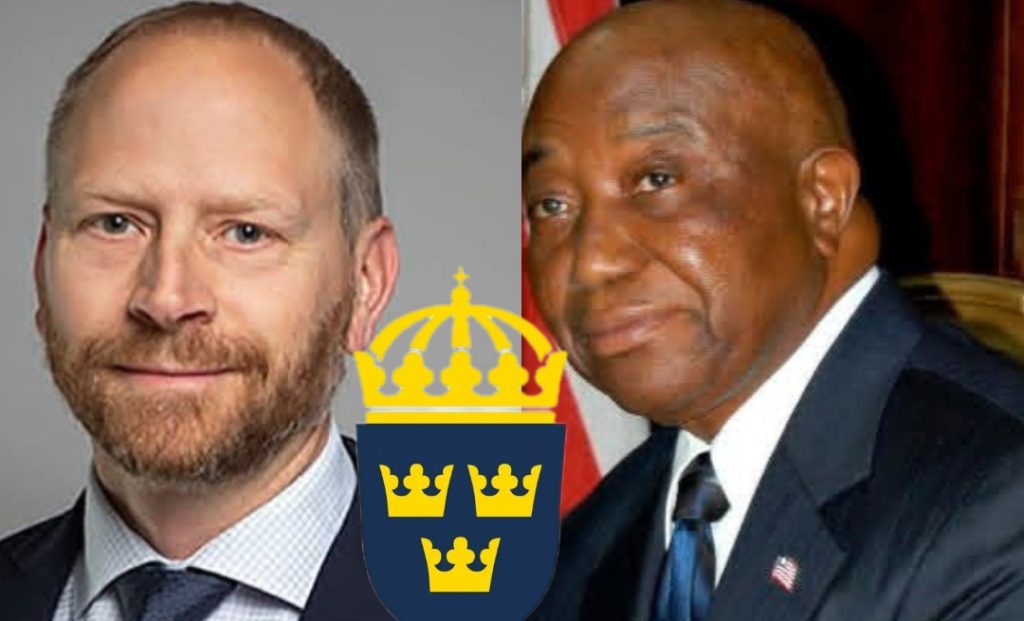
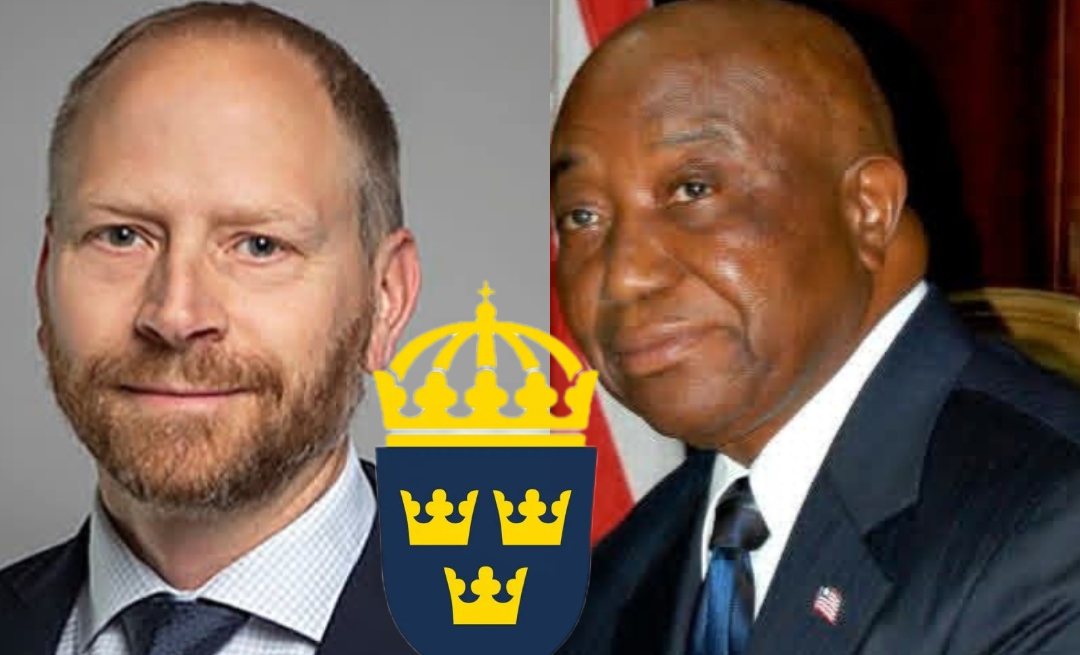
Liberian activist Martin K. N. Kollie has raised an alarm over Sweden’s abrupt decision to shut down its development presence in Liberia, describing the move as a major economic setback with far-reaching implications for jobs, public services and national stability.
Kollie reports that Sweden’s exit goes far beyond closing its embassy. According to his analysis, the shutdown means Liberia is losing more than 149 million dollars in active development projects touching key sectors such as energy, disability inclusion, rural roads, land management, media development, youth empowerment, forestry, climate resilience, gender programs, democracy advancement and agriculture.
This amount represents 12.4 percent of Liberia’s national budget, a gap Kollie says the government must not ignore. He warns that thousands of Liberian families who depend directly or indirectly on the thirty-plus Swedish-funded projects are at risk of losing their income, especially as the country is still grappling with the blow of suspended USAID funding.
Kollie says his findings are based on 32 ongoing projects listed by the Embassy of Sweden, with Swedish Krona converted into United States dollars using the standard exchange rate. The projects run from 2025 to 2028 and span nearly every aspect of Liberia’s socioeconomic structure.
Among the largest interventions affected are sustainable energy programs, national statistics strengthening, women’s empowerment initiatives, resilience and climate projects, support to the tax authority, feeder roads development, economic transformation programs for urban youth, and peace and rule of law initiatives. Several media support, anti-corruption, child protection, agriculture and decentralization programs are also on the list.
Kollie argues that Sweden’s withdrawal creates a significant hole in Liberia’s development pipeline and could worsen unemployment, reduce consumption, increase poverty, trigger household income losses and further strain the national revenue base.
He believes the shutdown should serve as a wake-up call for the Boakai administration to transition Liberia from dependence on foreign aid to stronger internal economic measures. He recommends capping salaries and benefits of government officials, renegotiating concession agreements, tightening compliance enforcement, revising the revenue code, and eliminating unjustified tax holidays that he says cost Liberia more than 300 million dollars annually.
Kollie also urges a shift toward profit-sharing models in major sectors, compelling companies to pay for years of non-compliance, and reducing what he describes as public waste across government.
According to him, these are difficult times calling for difficult decisions. He notes that many countries are scaling back foreign assistance, and Liberia cannot continue relying on donors to fill basic gaps in national development.
Kollie concludes by reminding the country that embracing self-sufficiency, strengthening institutions and enforcing accountability are the only viable pathways to protect Liberia’s economic future.