By
By: Staff Writer
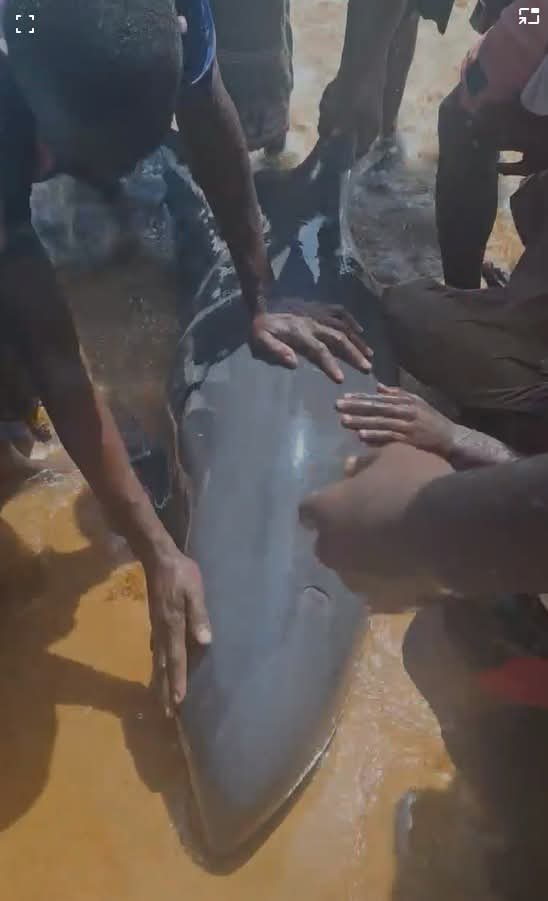
MONROVIA, Liberia – The death of a dolphin at Miami Beach, Mamba Point, is raising more than conservation concerns – it is exposing systemic gaps in Liberia’s marine wildlife emergency response.
The National Fisheries and Aquaculture Authority (NaFAA) on Monday, October 26, expressed regret over the incident, confirming that the dolphin, which stranded on Sunday, October 25, died before its technical team arrived and was later killed and shared as meat by residents.
While NaFAA Director General J. Cyrus Saygbe Sr. expressed disappointment over the killing, the timeline of the incident points to a broader institutional challenge.
According to NaFAA’s own statement, the Authority learned of the stranding through social media reports and dispatched a team afterward. By the time the team reached Mamba Point, the animal was already dead and butchered.
The release then directs the public to report strandings through NaFAA’s Call Center on 6232, Monday to Friday, 9 a.m. to 5 p.m. – hours that effectively exclude weekends, when the Mamba Point stranding occurred.
For coastal communities like Mamba Point, where strandings often happen without warning, the absence of a 24-hour rapid response line and community first-responder capacity means protected animals are left at the mercy of crowds.
NaFAA acknowledged this gap, stating it will now intensify training for community-level first responders to act swiftly while awaiting professional help.
The Authority reminded the public that dolphins, sea turtles and other marine mammals are protected species vital to Liberia’s marine ecosystem and must not be harmed or consumed, citing both conservation and public health risks.
But conservationists say enforcement without education and accessible reporting will continue to fail. Mamba Point is one of Monrovia’s most populated beaches, yet no permanent NaFAA beach monitors or emergency contacts were available on site Sunday.
NaFAA is now urging coastal residents to work with the Authority to protect marine biodiversity, but the Mamba Point case shows that protection will require more than press releases – it will require a functional, weekend-ready rescue system that reaches the beach before the knife does.