 By
By: Contributing Writer
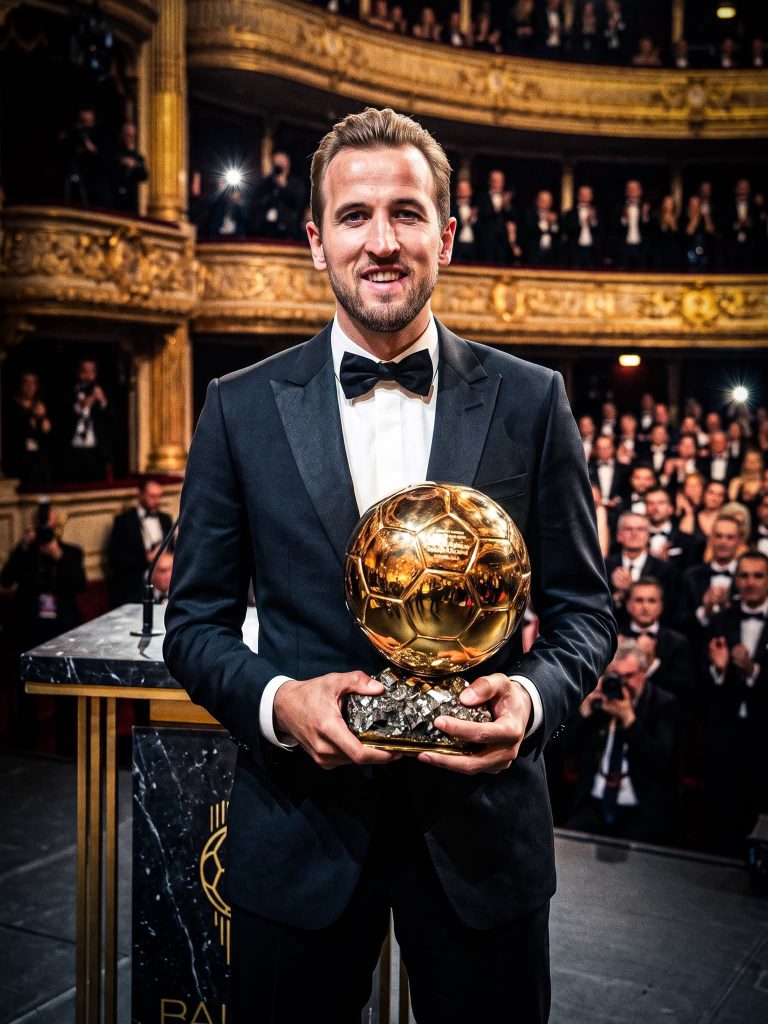
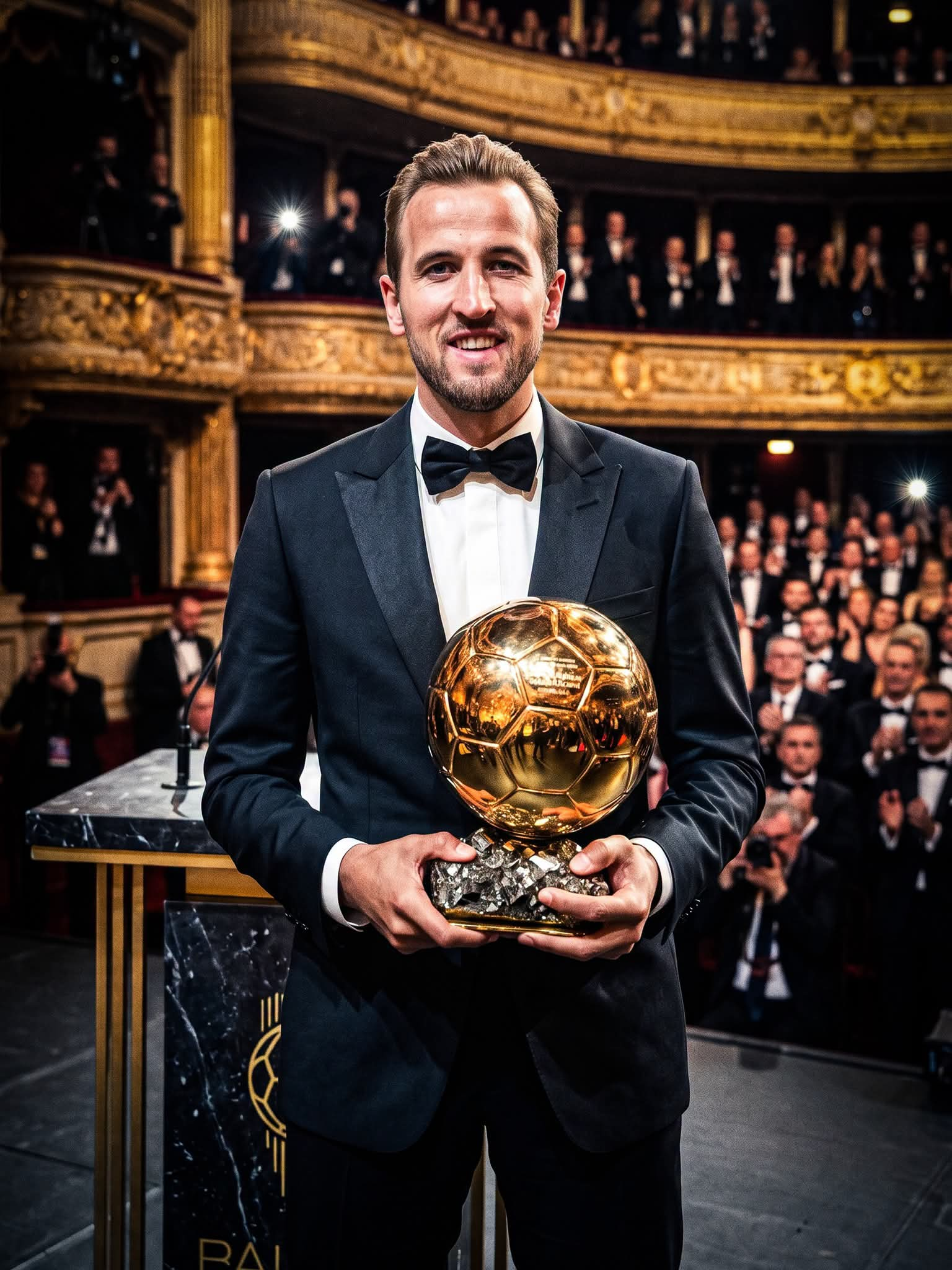
On Monday, at the London Palladium, the England captain and Bayern Munich striker was named winner of the 70th Ballon d’Or, becoming the first Englishman to win football’s most prestigious individual award since Michael Owen in 2001.
It is a career-defining moment for a player long labeled world-class but trophy-starved at Tottenham. At 33, Kane completed a remarkable late-peak story with a staggering 61 goals in 51 games for Bayern across all competitions as the club won a domestic league and cup double, plus 14 goals in 13 Champions League games including goals in both legs against Real Madrid and PSG. For England, he scored six goals to lead the Three Lions to a third-place finish at the 2026 World Cup.
He beat Kylian Mbappe and Lamine Yamal to the prize, with Rodri and Lionel Messi rounding out the top five. On the women’s side, Spain’s Alexia Putellas won her third Ballon d’Or.
The ceremony was historic in itself – the first Ballon d’Or ever staged outside France, chosen to honor Stanley Matthews, the first winner in 1956.
The Case FOR Kane
Analytically, Kane’s win represents a shift in Ballon d’Or voting logic. Since 2008, the award was dominated by Messi and Ronaldo, and recently by Champions League winners. Kane didn’t win the Champions League – Bayern fell in the semifinals to eventual winners Paris Saint-Germain.
But voters, a panel of journalists from the top 100 FIFA-ranked nations, rewarded pure individual dominance and evolution.
Kane wasn’t just a finisher. As noted during the season, he became more than a traditional forward, dropping deep as a playmaker and contributing defensively for both club and country. His 73 goals for club and country combined made him Europe’s top scorer.
And there is narrative weight: an English player winning in London, in his hometown where he played 300+ games for Tottenham without lifting a trophy, now adding a Ballon d’Or to two Bundesliga titles and a DFB-Pokal.
The Case AGAINST
The critical question: Did the best team player win the best individual award?
Mbappe had a World Cup final run? Actually France finished 4th after losing to England in the third-place game. Yamal, just 19, won the Kopa Trophy for the third straight year as best young player and was the creative hub for Barcelona and Spain.
PSG were named Men’s Club of the Year after winning the Champions League, yet no PSG player won. That breaks with recent trends where the European champion’s talisman is favored.
Kane also finished only 5th at the World Cup? No, England finished 3rd. But he did not win the biggest trophies of the year. His win suggests voters are tired of the “must win Champions League/World Cup” criterion and are willing to reward consistency and longevity – a “lifetime achievement meets peak season” vote.
Bigger Picture
This is the new era of the Ballon d’Or. As one analysis noted, after Messi and Ronaldo won all but two awards between 2008 and 2023, the winner is far less certain.
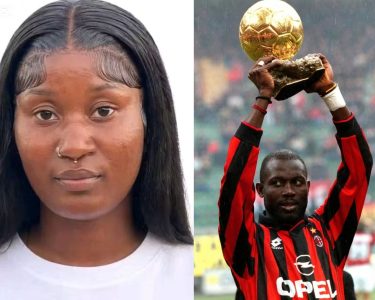
For England, Kane becomes only the fifth English winner ever after Matthews, Bobby Charlton, Kevin Keegan and Owen. For Liberia, it is a reminder that George Weah remains Africa’s only winner, winning it in 1995 straight after the rules opened to non-Europeans.
Kane summed it up himself: “Work hard in silence. Let success be your noise.”
For once, the noise was undeniable – even if the debate over whether Yamal or Mbappe deserved it more will run all season.