By
By By: Staff Writer

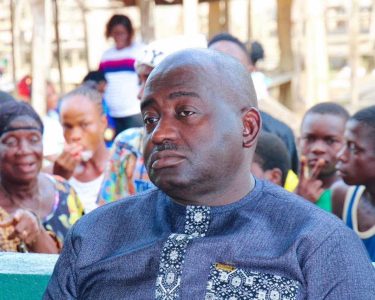
Saclepea, Nimba County — Hon. Musa Hassan Bility did not wrap up 2025 with pleasantries or polite optimism. Instead, writing from Saclepea, he delivered a hard political verdict on a year he says exposed Liberia’s deepest leadership failures and the danger of mistaking activity for achievement.
In a sharply worded reflection, Bility argues that Liberia’s politics in 2025 became louder but not wiser, busier but not more productive. According to him, the country spent the year confusing noise with progress and performance with governance, while ordinary Liberians paid the price.
“We argued about budgets as if they were trophies,” he noted, “when they should have been mirrors.” For Bility, those mirrors revealed an uncomfortable reality: spending without seriousness, promises without planning, and institutions that bend when they are supposed to stand firm. He describes a system where procedures are treated as inconveniences and shortcuts are normalized, creating what he warns could become permanent chaos.
Bility is particularly critical of what he calls “performance governance”—a style of leadership heavy on announcements and symbolism but light on delivery. He says while officials spoke loudly, the market woman still absorbed losses, students still counted disappointments, and young people still counted years without meaningful opportunity.
The former football administrator turned political voice insists that the real threat to Liberia is not hardship itself, but the growing acceptance of hardship as normal. He argues that when leaders become comfortable with confusion, silence becomes complicity—one reason he says he continued to write and speak out throughout the year.
At the core of his message is a demand for new thinking, not recycled slogans or familiar faces repeating old habits. Bility calls for leadership that is allergic to impunity, serious about accountability, and obsessed with measurable results. Public office, he stresses, must stop being treated as a reward and start being treated as a responsibility.
Yet his message is not entirely bleak. Bility acknowledges that 2025 also revealed a rising civic consciousness. Citizens spoke more boldly, young people demanded substance over “entertainment politics,” and communities increasingly challenged authority. These, he suggests, are signs that the country’s political awakening has begun—quietly, but firmly.
Still, he warns that economic pressure, fragile trust, and divisive national conversations continue to threaten social cohesion. Too many Liberians, he says, remain one sickness, one school fee, or one police encounter away from humiliation and poverty.
As Liberia approaches 2026, Bility rejects vague calls for a “better year.” Instead, he demands a tougher one—a year of seriousness over ceremony, rules over shortcuts, production over performance, and truth over comfort. He calls for economic patriotism that allows Liberians to benefit from their own resources, and for a form of national unity that does not silence criticism but strengthens accountability.
From Saclepea, Bility’s message lands less like a farewell and more like a warning: Liberia will not change simply because time passes. It will change only if citizens decide to demand more—and if leaders are forced to deliver.
In his harsh closing note to 2025, Bility leaves the country with a challenge rather than a wish: Liberia must choose discipline over drama, governance over noise, and decision over delay—or prepare to repeat the same failures in a new calendar year.