 By
By By: Staff Writer
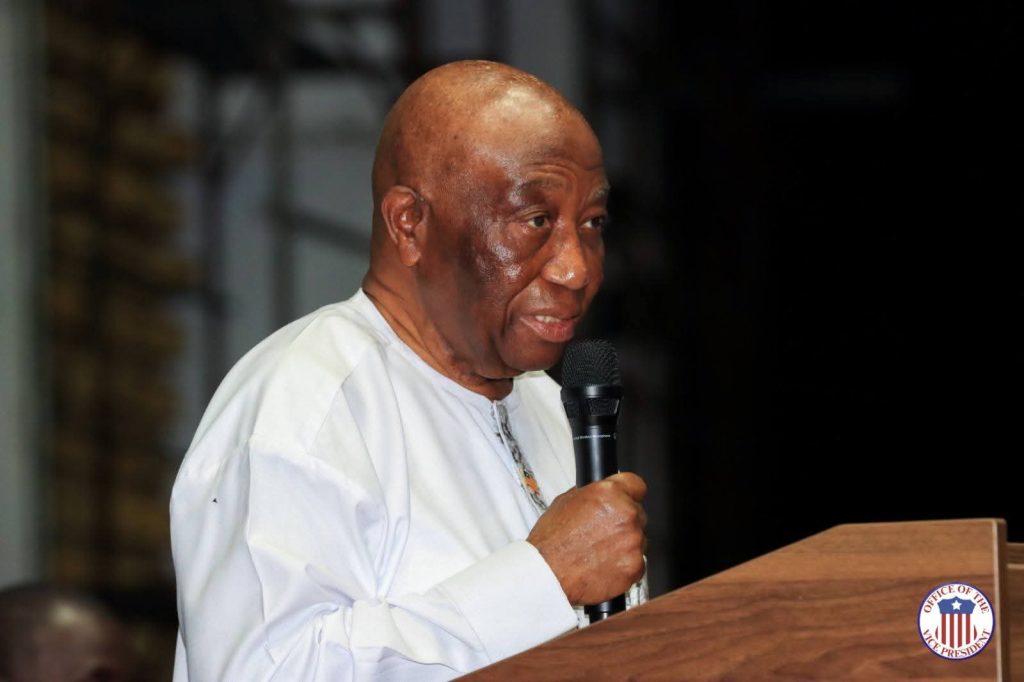
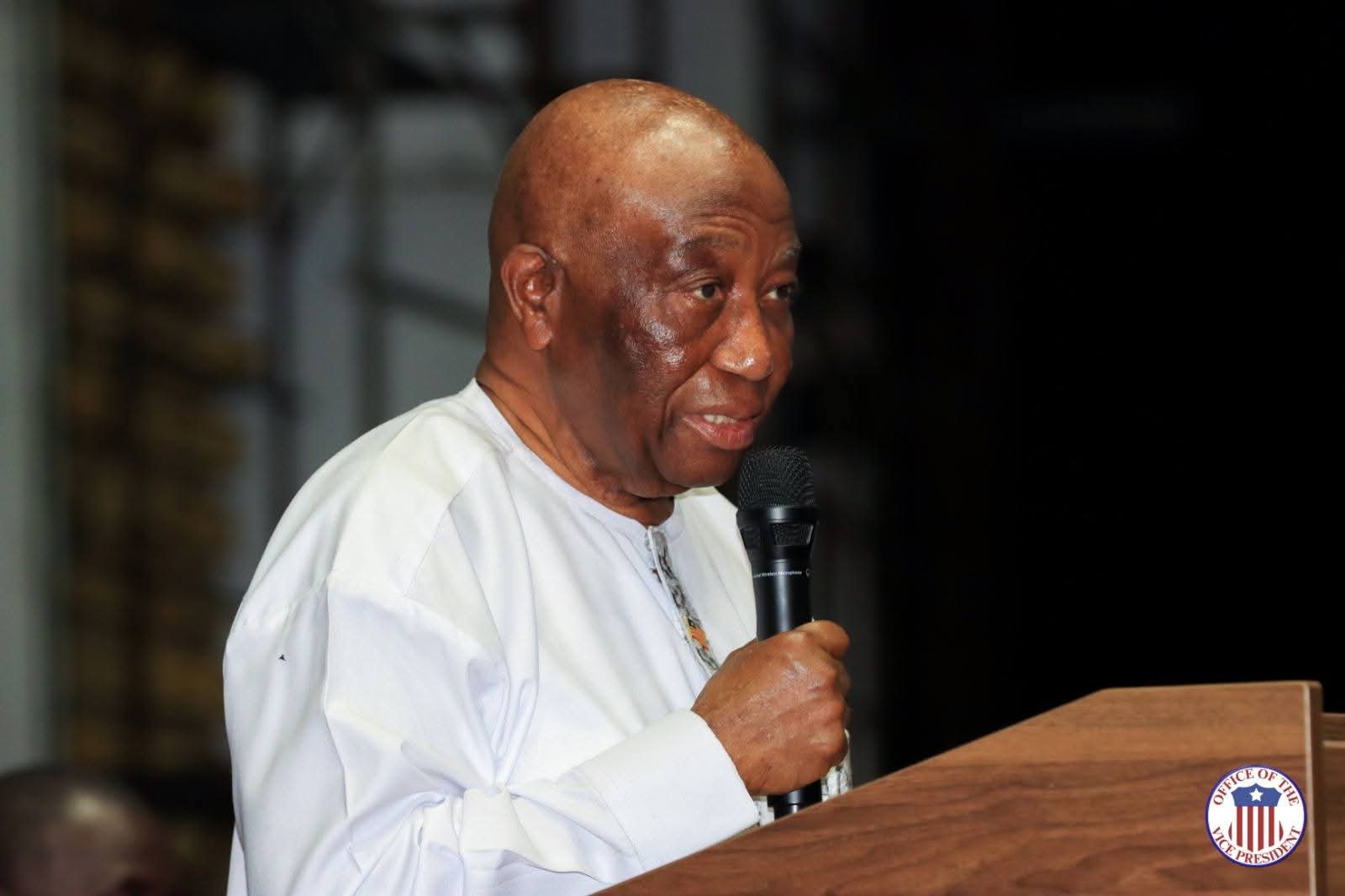
Photo: Office of the Vice President
Liberia’s flagship development plan under President Joseph Nyuma Boakai Sr. is facing serious implementation challenges, according to a new independent assessment that shows most government commitments remain unfinished or unverified one year into the ARREST Agenda for Inclusive Development.
The findings are contained in Naymote Partners for Democratic Development’s President Meter Report 2025, which reviewed 378 government interventions across 52 programs and six strategic pillars between January and December 2025. The report provides the most detailed public snapshot yet of how the Boakai administration is translating its development blueprint into action.
Naymote found that only three interventions, less than one percent of the total, were fully completed during the first year. While 165 interventions showed some level of activity, 76 never began, and 134 could not be assessed because of insufficient publicly available information. Overall, more than 55 percent of AAID commitments are either inactive or lack enough data to be independently verified, raising questions about transparency, coordination, and delivery.
The report shows that progress has been uneven across government. Governance and anti-corruption, environmental sustainability, and infrastructure development posted the strongest activity levels, driven by digital government reforms, donor-supported environmental projects, and visible construction work. However, human capital development and economic transformation performed poorly, held back by limited funding, weak coordination among ministries, and gaps in reporting.
Naymote also highlighted the continuing struggle to bring government services to the counties. Reviews of County Service Centers reveal that more than 60 percent of essential public services are still unavailable outside Monrovia, forcing many Liberians to travel long distances to access basic government support.
Despite the slow pace, the report documents several areas of measurable progress. These include the establishment of the War and Economic Crimes Court office, biometric national ID registration reaching more than 710,000 citizens, pilot e-procurement systems, legislative reforms, and targeted investments in agriculture, energy, and tourism. Naymote noted that these achievements demonstrate that meaningful results are possible when political leadership, funding, and institutional capacity come together.
However, Naymote warned that Liberia is not on track to meet the AAID’s 2029 targets. At the current rate, implementation would need to accelerate more than twenty times to stay on schedule. The organization is therefore calling for stronger coordination, regular public reporting, improved budget execution, and deeper decentralization of authority and resources.
The President Meter Report 2025 was produced under Naymote’s Democracy Advancement Program with support from the Embassy of Sweden and the Swedish International Development Cooperation Agency, although Naymote stressed that the findings reflect its independent analysis.
Naymote says it will continue to monitor the ARREST Agenda every quarter through 2029, publishing its findings and engaging government, civil society, the media, and citizens to push for greater accountability and results-driven governance.