By
By By: Alphanso G. Kalama;

In what is rapidly spiraling into a full-blown national scandal, fresh allegations of corruption, collusion, and covert kickbacks have rocked Liberia’s Ministry of Finance and Development Planning and the National Investment Commission.
Since 2011, Fouani Brothers has allegedly deprived the Government of Liberia of millions of dollars annually after receiving an investment incentive under the pretense of manufacturing Argo Oil. Investigations have revealed that instead of producing the oil locally, the company imported finished products, merely repackaging them into smaller containers for sale on the Liberian market.
Originally granted for five years, the investment incentive was later reduced to three years. The company’s efforts to renew the incentive beyond its legal duration have now been labeled by watchdogs as a blatant abuse of government policy. The International Monetary Fund (IMF) raised a red flag, warning that Liberia was losing millions due to widespread abuse of the incentives system, particularly in the transition period from the Weah administration to the current Boakai administration. As a result, former Finance Minister Boima Kamara placed a moratorium on all investment incentives.
The last renewal of Fouani Brothers’ certificate occurred in 2022 and was set to expire in April 2025. Despite the IMF’s concerns and the stipulations of the amended 2021 Revenue Code, the company allegedly maneuvered its way into securing yet another renewal ahead of schedule in November 2024—five months before the previous certificate’s expiration. The new certificate reportedly grants them tax breaks through November 2028.
Section 16 of the Revenue Code defines qualifying investments as those involving genuine startup barriers, significant financial risk, and real manufacturing activity. It also outlines that tax incentives may only be granted to new ventures, not existing ones, unless they demonstrate substantial transformation or expansion. Manufacturing, as defined, involves altering physical materials in a way that significantly changes their nature or function. However, reports show that Fouani Brothers has no verifiable manufacturing facilities in Liberia and only engages in basic repackaging.
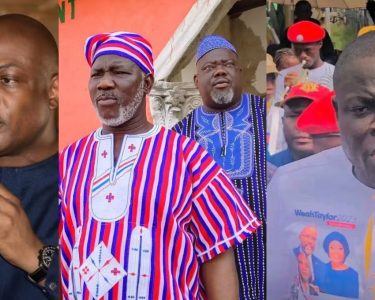
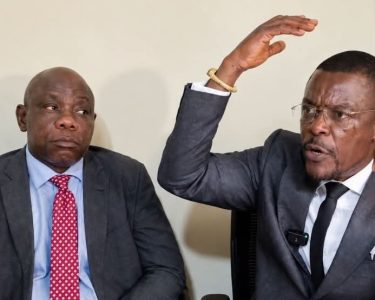
Documents obtained by this outlet suggest that key officials from both the National Investment Commission (NIC) and the Ministry of Finance were allegedly bribed to push the fraudulent renewal through. Named in the scandal are Minister for Revenue; Andrew N. Ngolloe, Anthony G. Myers, Assistant Deputy Minister for Fiscal Affairs; NIC Chairman Jeff Bilbo; and Melvin Sheriff, Executive Director of the NIC.
A trusted source within the Ministry of Finance leaked both the expired and renewed certificates, along with claims that $USD 1Million was allegedly exchanged amount they player to influence legal advisors to signed the controversial deal. According to the source, the Ministry’s legal department misled Minister Ngafuan into signing off on the renewal despite glaring legal violations.
As the scandal unfolds, public pressure is mounting on current Finance Minister Augustine K. Ngafuan to launch an independent and transparent investigation since he was mislead sign. However, questions remain: Can Minister Ngafuan thoroughly investigate a deal potentially implicating figures within his own administration?
The nation now watches closely as calls for accountability grow louder.
Let me know if you want this formatted for print, web publishing, or need follow-ups like an editorial or summary.