 By
By
By Alphanso G. Kalama;
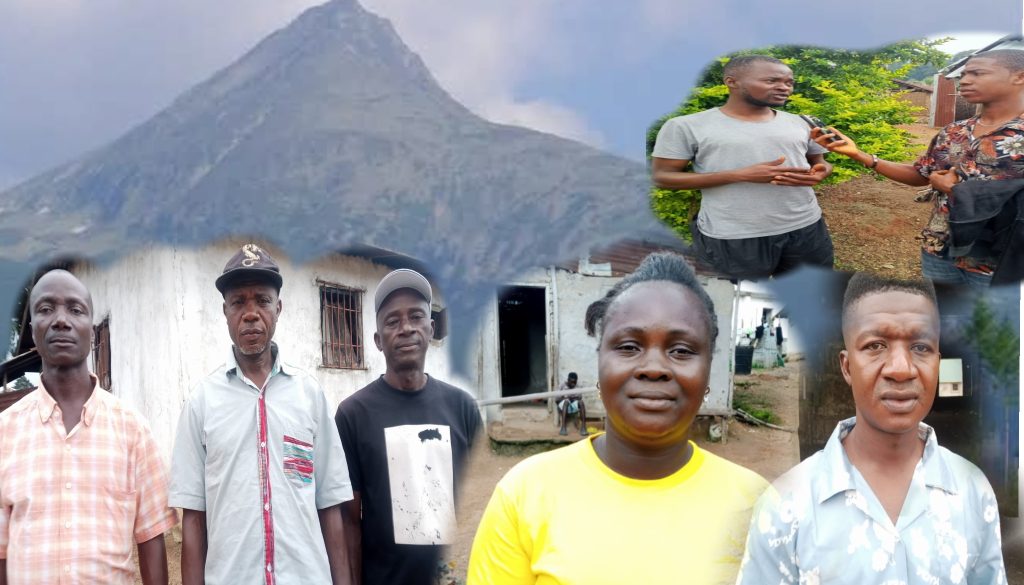
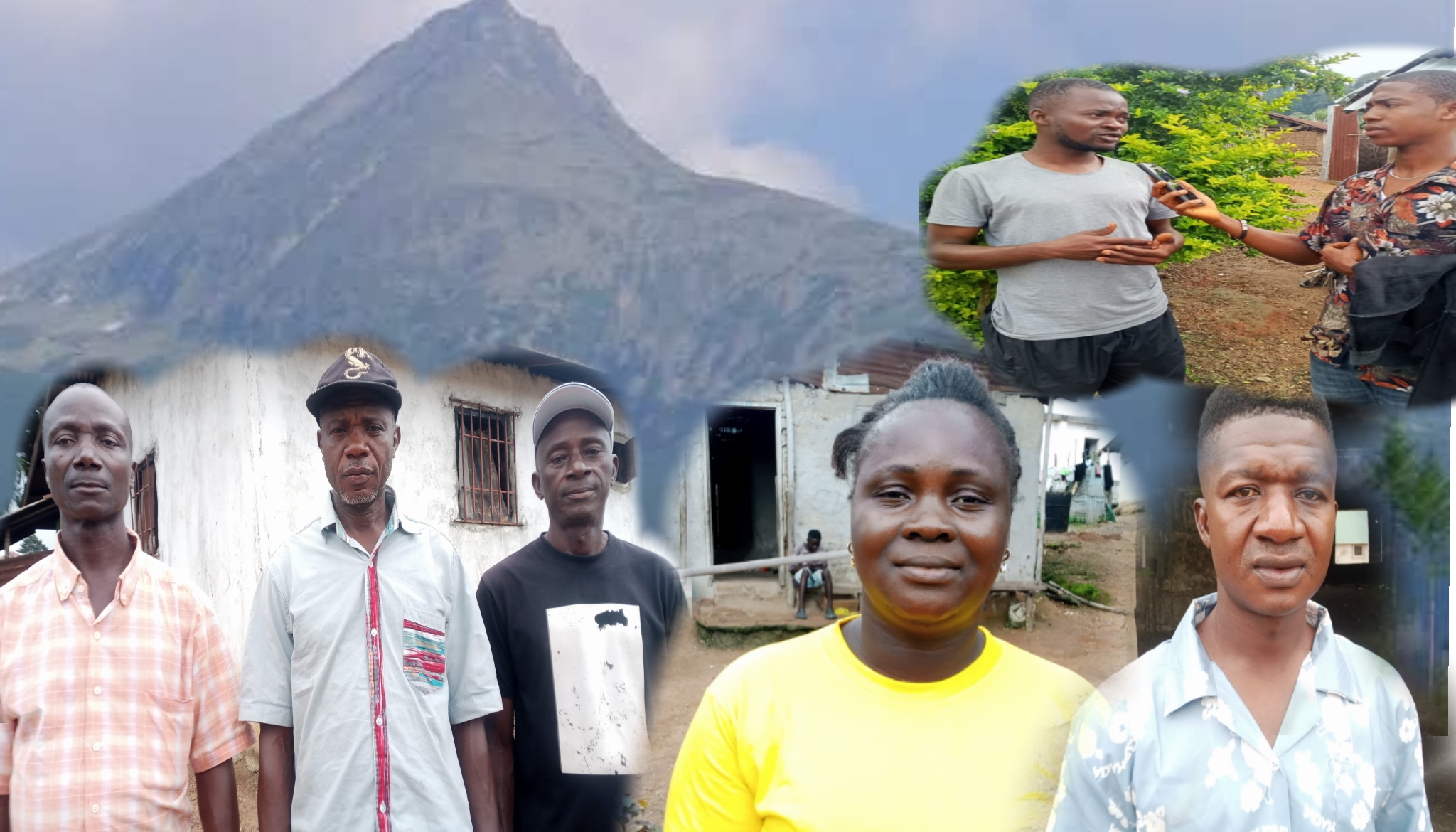
Lofa Co, Liberia – A controversial proposal by Deputy House Speaker Thomas P. Fallah to sell Wologizi Mountain, Liberia’s highest and most resource-rich peak has triggered a wave of mixed reactions across Lofa County, with citizens voicing divergent views on the move.
Speaking on July 21 during a dedication ceremony in Beyan’s Town, Rep. Fallah, commonly referred to as “T5,” called on President Joseph N. Boakai to trade the mountain in exchange for major infrastructure and development projects.
“If giving Wologizi will get this road to Menikorma, give out Wologizi,” Fallah said. “If giving Wologizi will give us a referral hospital, the best tertiary education, and jobs, you have our hundred percent support.”
Wologizi, located in the Guinea Highlands, is rich in iron ore, gold, and diamonds, according to a 1973 U.S. Geological Survey. Despite its vast mineral potential, it remains untapped. Fallah’s comments, however, have sparked intense debate among local youth, elders, educators, and community leaders.
“It’s Not Timely”
Morris Y. Beyan, Secretary General of the Zorzor District Youth Council, strongly criticized the timing of the proposal.
“Currently, we have many foreigners doing what Liberians should do,” Beyan said. “The excuse is always that we’re not prepared and sometimes that’s true. So we cannot afford to be victims again in the case of Wologizi.”
Beyan called on the government to first invest in technical education, especially in mining engineering and geology, to ensure Liberians not foreigners fill key positions in any future development projects involving the mountain.
“The first and foremost engagement in Lofa should be preparing young people to handle these jobs. Until then, it’s not timely,” he emphasized.
Support with Caution
Other citizens, however, backed the proposal but with conditions.
Rufus Kolubah, a secondary school educator, welcomed the idea, saying development must take precedence.
“Keeping the resources under the ground won’t help us. If it can be sold to bring progress, I fully welcome it,” Kolubah said.
He added that Lofa County has educated individuals capable of monitoring mineral agreements and warned against politicizing the issue.
Kebeh Yekeh, a resident of Fissebu Town, echoed similar sentiments but stressed that the deal must serve the common good.
“I agree, but let this resource be used wisely. Fifty percent of the would-be employees should come from Lofa. This shouldn’t be another self-enrichment scheme,” she warned.
Elders Throw Support Behind Boakai-Koung Team
Fissebu’s General Town Chief, James K. Harris, and other elders hailed the proposal as a “welcoming deal,” especially under the Boakai-Koung administration.
“For me, it’s timely. We can’t keep this mountain untouched while we lack good roads and electricity,” Harris stated.
However, Harris insisted that the full implementation of road projects and other development efforts must be a precondition before any agreement is finalized.
A Troubled History of Concessions
The debate comes amid public distrust in Liberia’s concession history. In Lofa, companies like Sing Africa Plantation Liberia Limited abandoned its operations in Lofa’s Bluyeama Community Forest after being exposed for illegal logging, failing to meet social development promises, and losing community trust.
The company according to The Day Light, and several other media outlets illegally harvested over US\$2.2 million worth of timber outside its approved area and did not fulfill its obligations to build infrastructure or support local development. Frustrated by broken promises and exploitation, community members demanded the company’s removal. Facing public backlash and regulatory pressure, Sing Africa quietly withdrew, effectively “running away” without formal closure.
Similarly, Alpha logging company, Bopolu Development Corporation (BODECO) and MNG Gold have been accused of failing to meet community development obligations, such as providing healthcare, clean water, and jobs.
Community groups continue to decry the lack of transparency and participation in concession agreements, warning that history could repeat itself if the Wologizi deal is rushed.
As discussions intensify, the future of Wologizi remains uncertain. While some citizens believe it’s time to trade resources for roads, jobs, and hospitals, others insist the groundwork particularly in education and accountability must come first.