By
By By: Staff Writer
Executive Mansion, Liberia — In a bold move aimed at revamping the nation’s fiscal landscape, the Government of Liberia (GOL) has adopted two controversial Public Financial Management (PFM) regulations. At an emergency Cabinet meeting on September 13, 2024, the Executive Mansion endorsed the Amended and Restated PFM Regulations and the Revenue Sharing Regulations (RSR), which are set to significantly alter the country’s financial governance framework.
Critics argue that these new regulations, which aim to bolster transparency and decentralize fiscal control, might be exacerbating regional disparities and weakening central oversight. The Amended and Restated PFM Regulations introduce a major overhaul by separating the roles of the Comptroller and Accountant General from the Department of Fiscal Affairs. This change is intended to enhance oversight and mitigate conflicts of interest but has raised concerns about potentially diminishing the coherence of financial management at the national level.

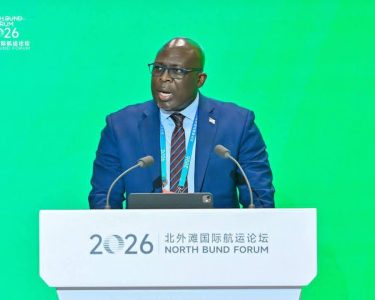
President Joseph Nyumah Boakai in an emergency cabinet retreat following his visit to Asia
Moreover, the delegation of revenue generation and expenditure management functions to local authorities, as part of Liberia’s decentralization policy, is stirring heated debates. Advocates argue that this will empower local governments, fostering greater accountability and improving public service delivery. However, detractors warn that it may lead to inconsistencies in financial management and accountability across regions, particularly in areas where local administrations are less experienced or less equipped to handle increased financial responsibilities.
The Revenue Sharing Regulations, designed to implement the Revenue Sharing Law of 2021, also face scrutiny. These regulations propose a substantial redistribution of revenue, including natural resource extraction benefits and real estate taxes, to local governments. Critics claim this could result in unequal economic advantages among regions, potentially fueling local rivalries and undermining national cohesion.
President Boakai defended the regulations, stating, “By ushering in these financial management instruments, my Administration aims to ensure that the necessary tools and frameworks are in place to guarantee fiscal responsibility, equitable revenue sharing, and transparent governance across Liberia.”
As Liberia embarks on this transformative path, the success of these regulations will largely depend on their implementation and the government’s ability to balance local empowerment with national oversight. The coming months will be crucial in assessing whether these changes will indeed drive economic growth and governance improvements or deepen existing challenges within the country’s financial management system.