By
By By: Domingo Dargbeh;

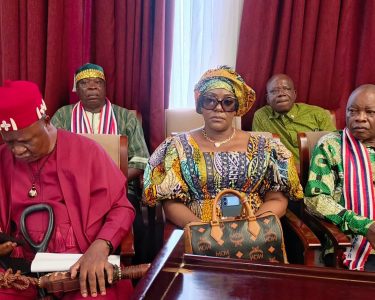
Monrovia, Liberia –The Environmental Protection Agency (EPA) of Liberia has officially launched a Climate Learning and Exchange Forum for members of the Liberian Senate in Grand Bassa County. The forum aims to strengthen lawmakers’ understanding of climate change issues and explore strategies to enhance Liberia’s environmental policies.
Speaking at the opening session, EPA Executive Director Dr. Emmanuel Urey Yarkpawolo stressed that climate change and environmental challenges rank among the most significant threats of the 21st century. He highlighted global warming, unpredictable weather patterns, rising sea levels, and deforestation as urgent issues affecting not only Liberia but the entire world.
Dr. Urey outlined the crucial role of the legislature in formulating climate-conscious policies and ensuring their implementation. He added that the forum offers senators an opportunity to assess the EPA’s progress, identify ongoing challenges, and explore practical solutions.
The EPA Boss further stated that discussions at the forum would cover Liberia’s environmental policies, the country’s efforts to develop a comprehensive carbon policy, and lawmakers’ legislative responsibilities in addressing climate challenges.
He emphasized the importance of ratifying the Biodiversity Beyond National Jurisdiction (BBNJ) Agreement, an international treaty designed to regulate the sustainable use of marine biodiversity beyond national borders. Dr. Urey also expressed gratitude to the Government of Canada and NovaSphere for their continuous support in strengthening Liberia’s environmental governance.
For his part, Grand Cape Mount County Senator Simeon Taylor welcomed the initiative, recognizing the importance of engaging climate experts to assist lawmakers in making informed decisions. He emphasized that legislators are responsible for enacting laws and overseeing government agencies to ensure effective policy implementation.
Senator Taylor noted that climate change is a complex issue requiring technical knowledge and expertise. Lawmakers, he added, depend on environmental professionals to guide them on the necessary actions.
Also speaking, Grand Gedeh County Senator Thomas Yaya Nimely stressed that legislative action on climate change must be people-centered. He pointed out that while lawmakers are tasked with creating laws, these laws must reflect the realities faced by people in rural communities, who are often the most affected by environmental changes.
Senator Nimely shared that many communities across Liberia have experienced environmental shifts they do not fully understand. He urged that laws be designed to include and benefit local populations.
Representing the Forestry Development Authority (FDA), John S. McKay Jr., Technical Manager, noted that scientific research confirms human activities as the primary contributors to climate change. He cited global warming, deforestation, and environmental degradation as direct results of human action, emphasizing Liberia’s vulnerability as a developing nation.
McKay stressed that no country is immune to climate change, and its impacts are felt most severely in vulnerable communities, particularly in rural Liberia. He called for collective action, noting that while governments create policies and laws, citizens must also adopt environmentally friendly practices to help build a sustainable future.
Isaac Nyaneyon Kannah, Lead Coordinator for NovaSphere’s Multilevel Climate Governance Program, provided an overview of the forum’s learning objectives. He explained that technical sessions would cover several key areas, including the science of climate change, global climate commitments, local initiatives, climate financing, knowledge sharing on governance, and the legislative processes involved in drafting environmental laws in Liberia.
Kannah emphasized that equipping lawmakers with the necessary knowledge is vital to ensuring Liberia’s legislative actions are informed, effective, and responsive to the country’s climate challenges.