 By
By 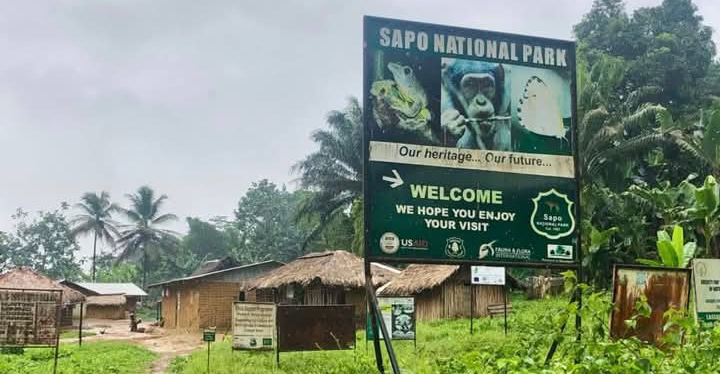
ZWEDRU, Grand Gedeh County — The Ministry of National Defense has issued an immediate order for all citizens and foreign nationals occupying Sapo National Park to leave the area, citing the urgent need to preserve wildlife and protect Liberia’s fragile natural resources.
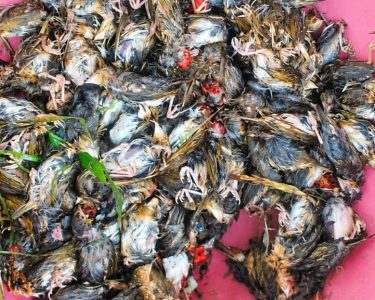
The directive follows increasing reports of illegal mining, hunting, and other activities within the park, which authorities warn are undermining national development and threatening the country’s biodiversity.
Assistant Defense Minister Oscar Mulbah, speaking in Zwedru alongside the Ministry’s Chief of Public Affairs, Lt. Col. En. Jebboe, said the government is determined to end the misuse of the park.
“The Ministry has observed continuous illegal practices within the park. These acts are a direct threat to Liberia’s natural heritage and economic growth,” Mulbah said, stressing that while the process will be peaceful, the government will not tolerate violations of the order.
Appearing on Smile FM on Friday, August 29, Lt. Col. Jebboe assured the public that the Armed Forces of Liberia (AFL) will carry out the evacuation with “ethics and professionalism,” while remaining fully prepared to prevent resistance or disruption.
A Jewel of Liberia Under Threat
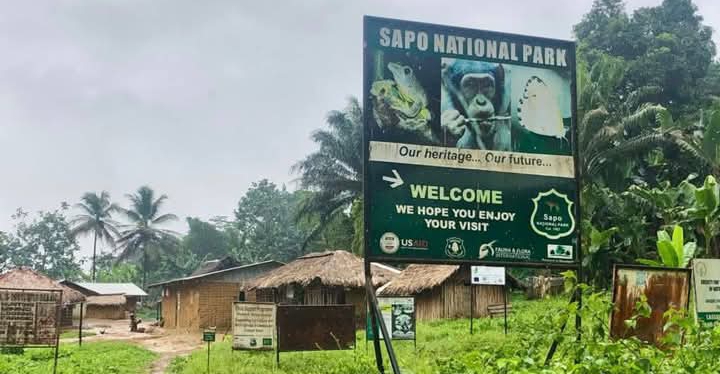
Established in 1983, Sapo National Park is Liberia’s largest protected area and the country’s only national park. Covering more than 1,800 square kilometers across Grand Gedeh, Sinoe, and River Gee counties, the park forms part of the Upper Guinean Rainforest, one of the world’s most biologically rich and endangered ecosystems.
Sapo is home to rare and endangered species, including the African forest elephant, western chimpanzees, and the pygmy hippopotamus — a species found only in a few West African countries. The park has long been recognized as a national treasure, both for its biodiversity and its potential to support eco-tourism.
However, conservationists warn that decades of civil conflict, weak enforcement, and growing illegal activities have put the park at risk.
The Ministry’s decisive move, officials say, is intended not only to reclaim Sapo from exploitation but also to reinforce Liberia’s commitment to environmental conservation for future generations.