 By
By By: Contributing Writer
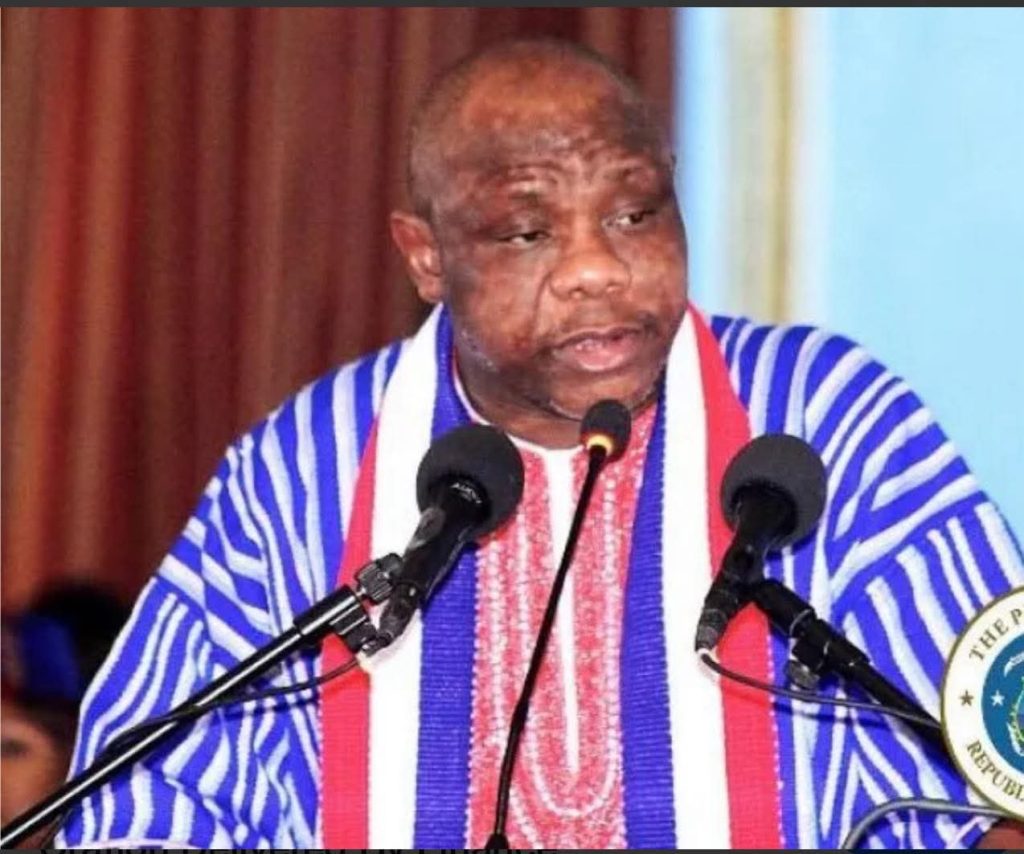
Monrovia — In a nation still haunted by the shadows of past conflicts and plagued by poor governance, the promise of salary harmonization was initially hailed as a groundbreaking initiative aimed at fostering fairness and equity within public service. Launched in 2019 by then-Minister of Finance and Development Planning Samuel Doe Tweah, this initiative was intended to create a standardized pay-grade system across government sectors.
Tweh However, stated that the process is a beacon of hope that morphed into a tool of political manipulation under the Coalition for Democratic Change (CDC) administration. The CDC’s approach to salary harmonization has strayed far from its purported goals of equity and justice. Instead of leveling the playing field, this initiative has been weaponized against those perceived as beneficiaries of higher wages from previous administrations, particularly during the Unity Party’s tenure.
The rhetoric of fairness has been replaced by a calculated strategy to reward politically loyal individuals—many with questionable qualifications—while systematically undermining the wages of dedicated civil servants. The administration has spun a narrative claiming that drastic salary cuts were the only solution to Liberia’s swelling wage bill, supposedly under pressure from international partners like the International Monetary Fund (IMF).
This portrayal, however, is misleading. The IMF has never mandated salary cuts; it only flagged potential fiscal risks. The CDC’s decision to slash wages was a deliberate choice, prioritizing political expediency over meaningful reform. Governments worldwide facing fiscal challenges typically explore a variety of alternatives—ranging from tightening travel budgets to improving tax collection—before resorting to pay cuts.
The CDC, however, has opted for the easier route of blanket salary reductions. This not only exacerbates the financial strain on essential workers—teachers, nurses, and civil servants—but also allows wasteful government spending to continue unchecked. The failure of the CDC to genuinely reform the public sector is evident. Instead of downsizing a government plagued by political patronage, the administration has expanded it, adding more political appointees while claiming that slashing civil servants’ pay is the only viable option.
This contradiction highlights a lack of commitment to actual reform and exposes the administration’s priorities. Moreover, the CDC’s negligence is starkly illustrated by its failure to conduct a comprehensive audit of the payroll system, which could have identified ghost workers and others collecting salaries without justification.
A technology-driven audit could have saved Liberia billions; instead, the administration chose to implement indiscriminate salary cuts—an approach that reeks of laziness and inefficiency. While the government could have pursued more robust revenue-collection strategies, targeting smuggling and tax evasion, such systemic changes would require confronting powerful interests—something the CDC appears reticent to engage in. Instead, the administration has opted for quick fixes that prioritize expediency over lasting solutions. Real austerity measures should begin at the top; cutting benefits for senior officials and reducing political perks would have sent a powerful message about shared sacrifice.
Yet, the CDC has chosen to target ordinary workers first, a choice that reveals much about the priorities of those in power. As the impact of this misguided policy becomes increasingly clear, it is evident that the harmonization strategy, as executed by the CDC, was not an unavoidable outcome, but rather a deliberate choice designed to safeguard entrenched interests while eschewing meaningful reform.
The fallout from this decision has been severe, shifting the burdens of poor governance onto the shoulders of everyday Liberians. In light of these realities, the rejection of salary harmonization by the people of Liberia is not merely an act of defiance; it is a resounding demand for justice.
As the government confronts the repercussions of its policies, it must acknowledge that rectifying these harmful measures is not an act of lawlessness but a critical step toward restoring equity and fairness within the public sector. The time for genuine reform is long overdue, and the people of Liberia deserve nothing less than a government that truly serves their interests.