 By
By 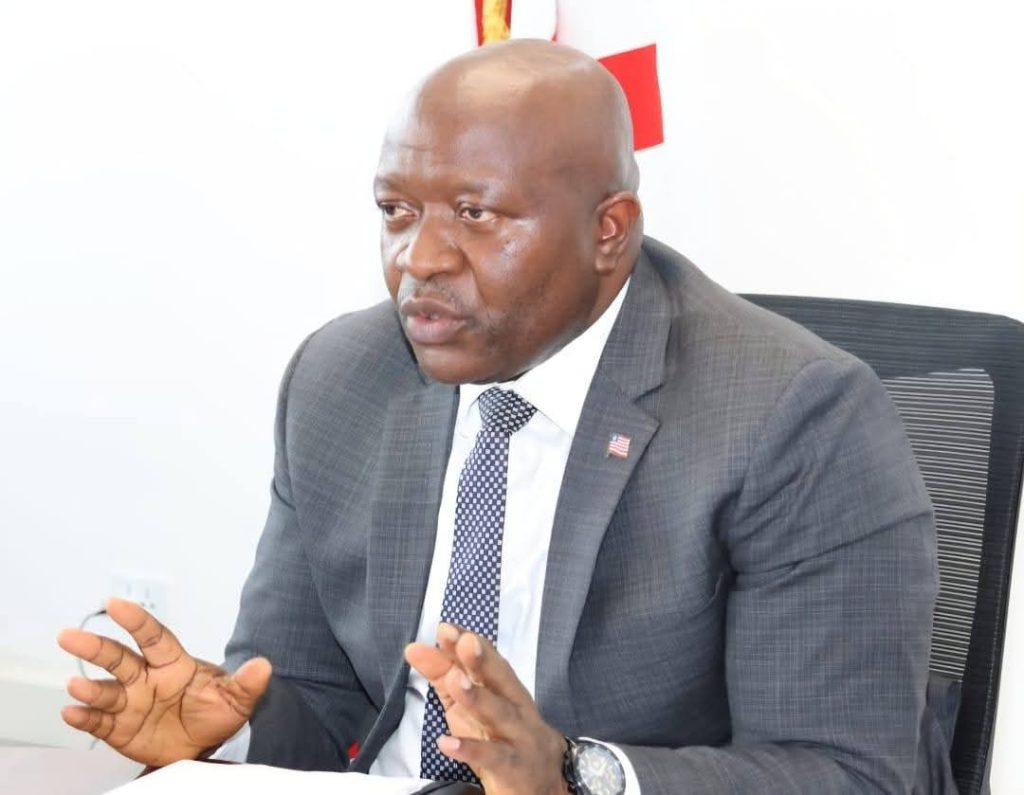
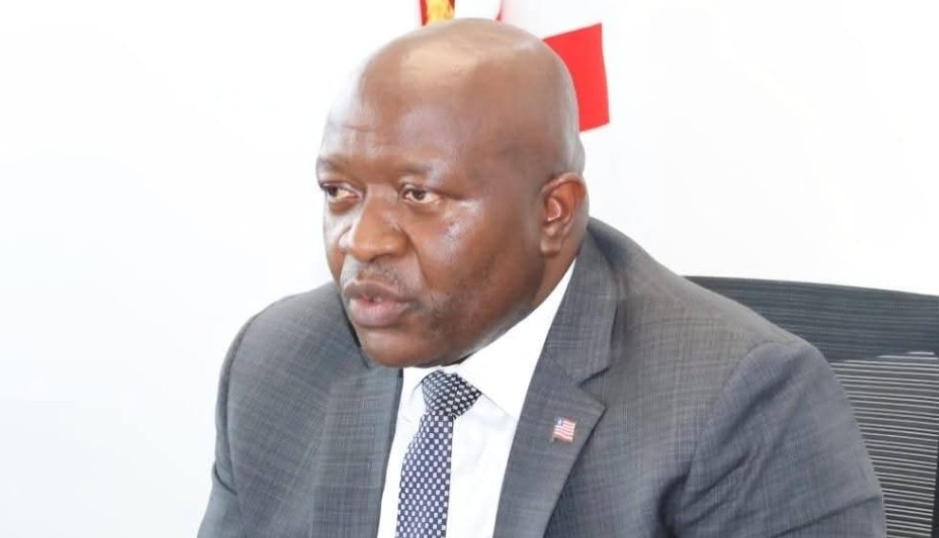
Monrovia — Liberia’s Minister of Finance and Development Planning, Hon. Augustine Kpehe Ngafuan, has mounted a strong defense of President Joseph Nyuma Boakai’s Annual Message, dismissing opposition criticism of the administration’s economic direction as misplaced and short-sighted.
Speaking at a special press conference on Wednesday, Minister Ngafuan said Liberia’s economy is in a stronger position today than it was two years ago and remains on a clear path toward recovery and sustainable growth, anchored by strategic infrastructure investments.
The Finance Minister was responding to critics who have questioned the government’s focus on roads, energy, and other infrastructure projects, arguing that such investments do not adequately address immediate “bread-and-butter” concerns facing ordinary Liberians.
Ngafuan countered that job creation remains central to the Boakai administration’s agenda and that infrastructure development is a direct driver of employment and economic opportunity. He explained that lowering the cost of electricity and transportation reduces business expenses, enabling companies to expand, increase productivity, and create more jobs.
Turning to the energy sector, the Finance Minister described limited electricity access as one of Liberia’s most serious constraints to growth, noting that national access remains below 40 percent. He disclosed that energy has again been prioritized under the proposed Millennium Challenge Corporation (MCC) Compact, with government targeting electricity access of more than 75 percent in the medium term.
According to Ngafuan, high power costs continue to undermine the competitiveness of small and medium-sized enterprises, many of which rely heavily on generators and costly fuel to stay operational.
Minister Ngafuan also defended President Boakai’s assertion that more than 70,000 short- and medium-term jobs have been created over the past two years, rejecting claims that the figure is unrealistic. He explained that the estimate averages about 35,000 jobs per year, or just over 2,000 jobs annually per county—figures he said are both reasonable and attainable.
He further disclosed that the Ministry of Finance and Development Planning alone supported 277 interns within the past year, adding that while government systems for tracking employment generation across ministries and agencies need strengthening, meaningful progress is being made.
Addressing arguments that infrastructure investments neglect immediate household needs, Ngafuan rejected the notion that road construction overlooks everyday economic hardship. He cited improved road connectivity to southeastern Liberia, which has reduced travel time, lowered transportation costs, expanded market access for farmers, and contributed to declining domestic food prices.
“When farmers can bring their produce to market faster, prices fall,” he noted, linking infrastructure development directly to inflation control and food affordability.
The Finance Minister added that roads, energy, education, and health consistently emerged as top priorities during nationwide consultations for the government’s national development agenda.
While welcoming constructive criticism as part of democratic governance, Ngafuan reaffirmed the administration’s confidence in its development strategy, stressing that infrastructure investment is not a diversion from livelihood concerns but a foundation for inclusive and sustained economic growth.
“If we want major investors to operate profitably in Liberia,” he said, “we must fix our power and road challenges—and that is exactly what this government is doing.”