 By
By 
Monrovia, Liberia – The Liberia National Bar Association (LNBA) has expressed deep concern over what it describes as “shortcuts” being used by some individuals to gain admission into the legal profession in Liberia, bypassing established standards.
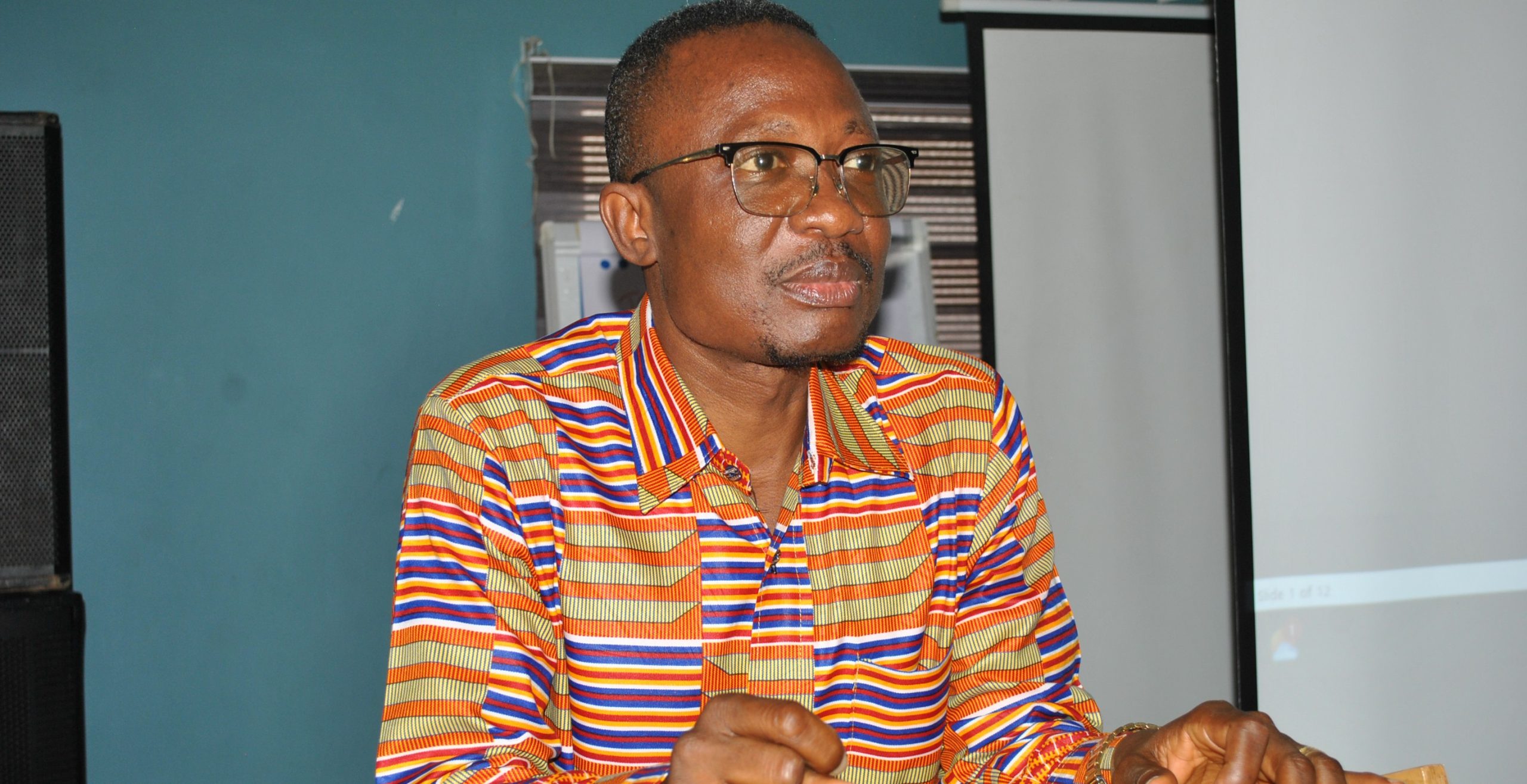
Speaking at the close of the LNBA’s executive retreat in Buchanan, the Association’s Secretary General, Cllr. Elisha T. J. Forkeyoh, warned that the Bar will not tolerate attempts by aspiring lawyers to evade Liberia’s rigorous legal training process.
“We have observed that some people leave Liberia right after high school, go to other African countries, enter law schools without first obtaining a degree, graduate, and then return here to be admitted as attorneys,” Forkeyoh told journalists. “This undermines our system, lowers the standard, and risks flooding our legal profession with underprepared lawyers.”
In Liberia, admission into the Louis Arthur Grimes School of Law or the newly established Liberian Law School requires applicants to first earn a degree in any discipline, pass an entrance examination, and complete an interview before being enrolled. The Bar insists this process must remain intact to safeguard the integrity of the profession.
Forkeyoh stressed that while other African countries may allow high school graduates to directly enter law school, Liberia’s higher threshold is intentional. “Our system is different, and it is designed to protect the Liberian people. If we tolerate these shortcuts, we will soon have lawyers who cannot adequately represent their clients,” he said.
The LNBA has already raised the issue with the Chief Justice, who has expressed concern about the declining preparedness of lawyers appearing before the courts. Forkeyoh disclosed that the Bar’s Executive Committee has been tasked to engage the Supreme Court for stronger regulation of admissions.
“We will pursue this matter to the fullest,” Forkeyoh added. “Those who obtain law degrees abroad but fail to meet Liberia’s standards will be required to return to our law schools for at least three years to study civil procedure, criminal procedure, ethics, and other core areas. That is the only way to ensure competence.”
The Bar’s position has sparked debate among legal observers, with some arguing that Liberians trained abroad should not be penalized, while others support the LNBA’s insistence on maintaining standards.
For now, the Association maintains it has a duty to the Liberian people. “We are not targeting individuals,” Forkeyoh clarified. “We are protecting the system. Our duty is to ensure the legal profession remains credible and competent.”