 By
By By Alphanso G. Kalama;
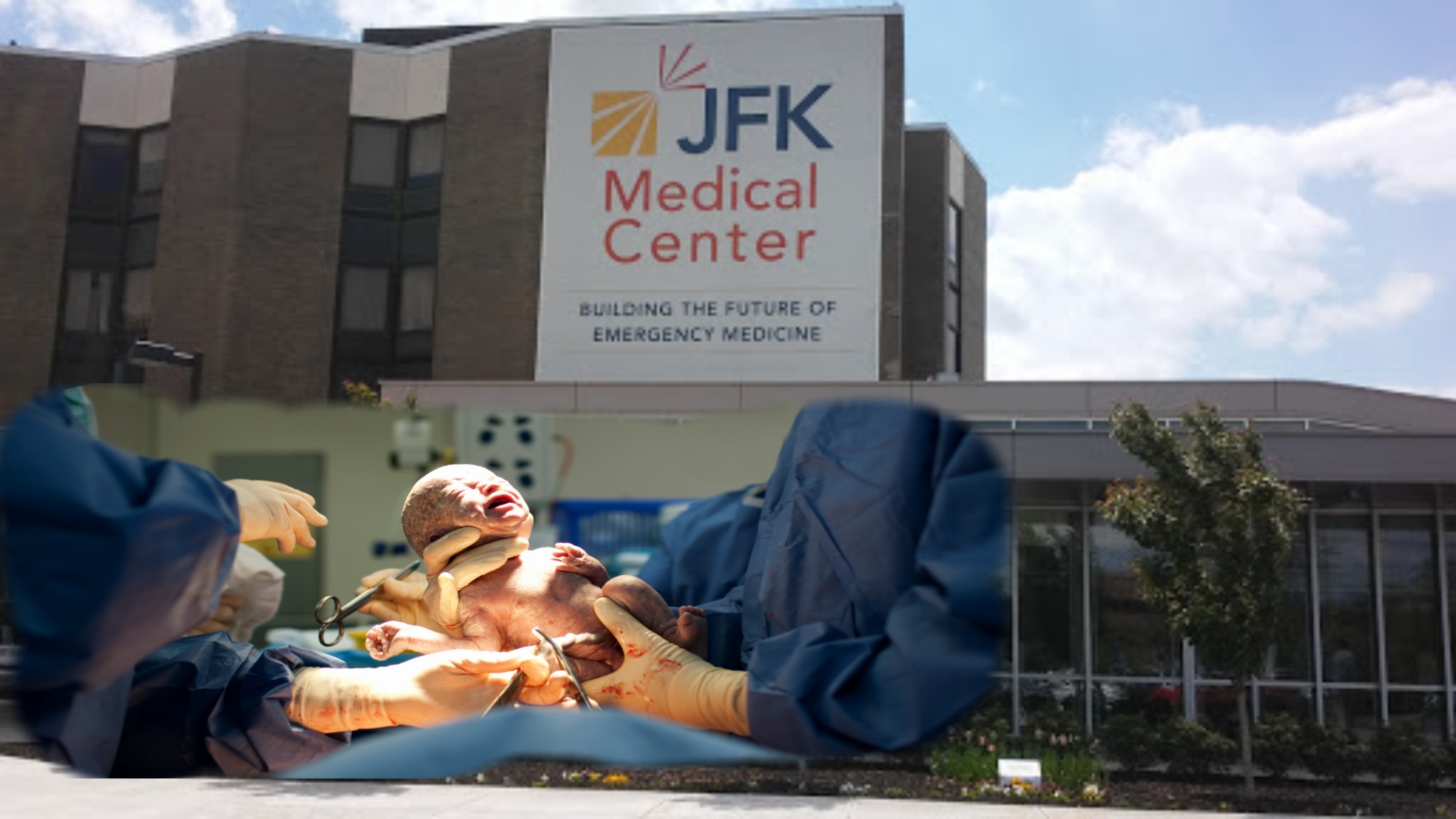
Monrovia, Liberia – The John F. Kennedy Memorial Medical Center (JFKMC), Liberia’s top referral hospital, has implemented a mandatory $65 USD charge for all Cesarean section (C-section) procedures, citing the need to cover intra-operative drugs, anesthetic agents, and sterile medical supplies. The policy, effective August 1, 2025, has triggered strong public debate over affordability, transparency, and accessibility of maternal healthcare at the nation’s flagship medical institution.
According to a circular issued by the Director and Chief Pharmacist of JFKMC, Dr. Lawrence B. Stephens, the mandatory fee applies per patient undergoing a C-section and must be paid prior to surgery. The communication addressed to maternity supervisors Dr. Margaret Chieh and Dr. Joyce Farweneh stresses that this payment is essential to ensure the timely availability of critical pharmaceuticals and surgical materials, a move they argue is necessary to maintain operational readiness and patient safety.
The policy stipulates that a pink copy of the bank deposit slip must be presented to the MCOT Pharmacy before any procedure is performed, making payment a prerequisite for accessing these life-saving services.
JFKMC has also outlined that any additional drugs or medical supplies used beyond the standard intra-operative needs will be billed separately to patients, including post-operative items administered while patients remain admitted in the maternity ward. These could include additional antibiotics, analgesics, advanced anesthetic agents, and specialized surgical consumables.
The internal memo further mandates pharmacists to accurately record all dispensed items and maintain clear communication with both maternity and finance departments to avoid discrepancies in billing.
While the hospital administration insists the move is purely operational—to ensure full accountability, inventory management, and the smooth coordination between departments—the sudden enforcement of this policy has drawn sharp criticism from some members of the public, especially given the country’s economic challenges and high maternal mortality rate.
Healthcare advocates argue that this standardized charge could disproportionately affect low-income mothers who are already struggling to afford basic care. Others question why such essential materials are not covered by the hospital’s core budget or existing healthcare subsidies.
As Liberia continues its push to strengthen its healthcare system, the spotlight now shifts to JFK’s management and the Ministry of Health to respond to growing concerns over access, equity, and the burden such fees may place on expectant mothers.
The JFKMC, however, remains firm, stating that the measure is a necessary step in delivering “safe and efficient surgical procedures” and ensuring quality assurance at one of the country’s most critical healthcare institutions.
For further clarification, patients and families have been advised to contact the Office of the Chief Pharmacist directly.