 By
By By: The People News Online
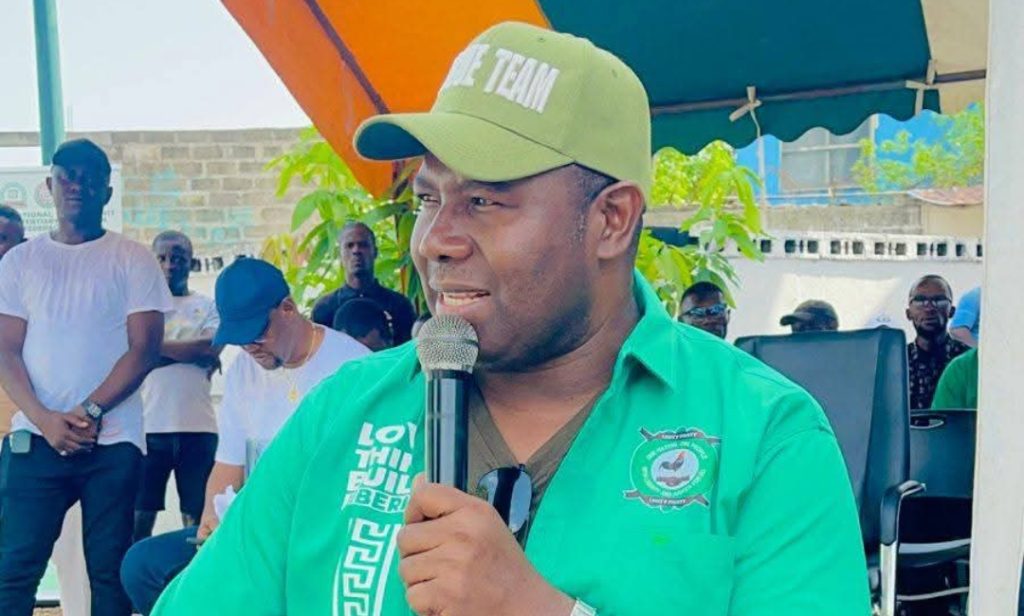
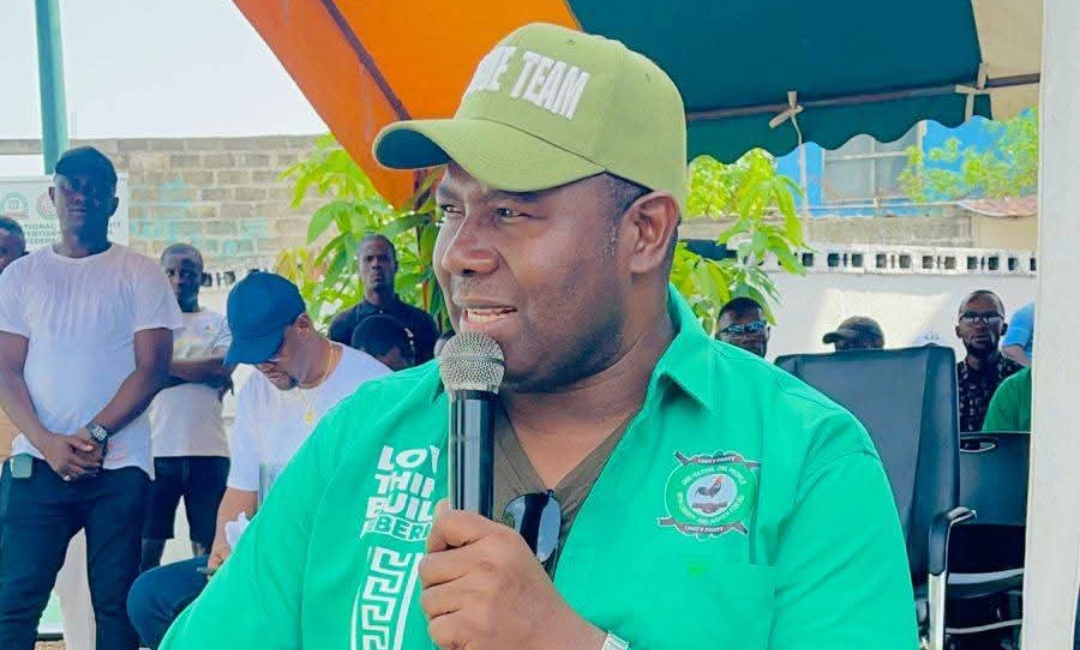
Monrovia, — The ruling Unity Party has launched an aggressive two-year strategy to recruit 85,000 high school and university students into its ranks, framing the drive as youth empowerment while drawing scrutiny over the use of partisan structures inside schools ahead of 2029.
The Joint 2-Year Strategic Plan of the Unity Party National Cadets’ Unit (UPNACU) and the Tertiary Education Students Confederacy (TESCON) was unveiled at UP’s Broad Street headquarters. Party leaders described the initiative as a blueprint to build “the largest, most organized, and most influential student and first-time voter constituency in Liberia” by 2029.
More than 400 student leaders attended the launch, according to the party. Senior officials present included National Chairman Rev. Dr. J. Luther Tarpeh; Secretary General Amos B. Tweh; Vice Chairman for Recruitment and Mobilization Whroway Bryant; former Secretary General Mohammed “MO” Ali; and Montserrado County Chairman Robert S. Bestman.
The Plan: Chapters in Every School
The strategy seeks to establish UP chapters in all high schools and tertiary institutions nationwide within two years. Party officials said the goal is not only recruitment but “building leadership, strengthening democratic participation, and preparing a new generation of committed young Liberians to take ownership of the future.”
National Chairman Tarpeh called on partisans and stakeholders to “rally behind this transformative initiative” for a “stronger, more inclusive, and victorious future.”
Secretary General Tweh urged students to stay committed to the party “regardless of the difficulties that come their way through the journey of preparing to takeover.” He praised former Secretary General Mo Ali for standing with UP in opposition, noting Ali was “wrongfully dismissed” under the CDC regime and “chose the Unity Party over job.”
Empowerment or Early Politicization?
While the UP casts the move as youth empowerment, the plan raises long-standing questions about partisan activity in academic spaces. Liberia’s school campuses have historically been battlegrounds for political recruitment, often blurring lines between civic education and party loyalty drives.
Critics of such strategies argue that embedding party structures in high schools risks politicizing classrooms and pressuring students, particularly when the organizing party controls state resources. Supporters counter that political parties are lawful vehicles for youth participation and that early engagement builds democratic culture.
The Ministry of Education has existing guidelines restricting partisan activities in public schools during instructional hours, though enforcement has been inconsistent across administrations.
2029 in Sight
The 85,000-target explicitly ties student mobilization to electoral math. First-time voters are a decisive bloc in Liberia, and the UP’s public messaging links the student drive to being “victorious” in 2029 and beyond.
The launch comes as the UP, now in power, shifts from opposition messaging to consolidating a base. The elevation of figures like Mo Ali — credited by Tweh for being “vocal and loud on the CDC regime throughout their unsuccessful 6 years” — signals the party is rewarding loyalty from its opposition years while courting new members.
Unanswered Details
The party did not disclose the budget, funding sources, or specific activities for the two-year plan. It also did not address how it will differentiate between civic education and partisan recruitment inside schools, nor whether non-UP student political groups will have equal access to campuses.
Education policy analysts say the critical test will be whether UPNACU and TESCON chapters promote broad civic skills — debate, policy literacy, voter education — or function primarily as campaign infrastructure.
For now, the Unity Party has staked a clear claim: the path to 2029 runs through Liberia’s classrooms. How that effort balances empowerment with partisanship will likely shape both the party’s credibility with young voters and the broader debate over politics in schools.