 By
By By: The People News Online
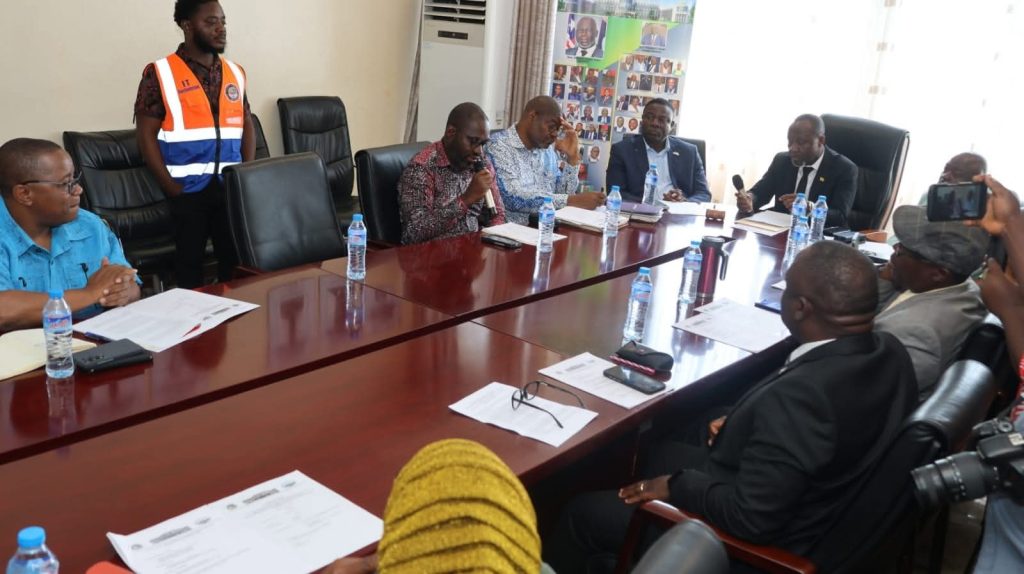
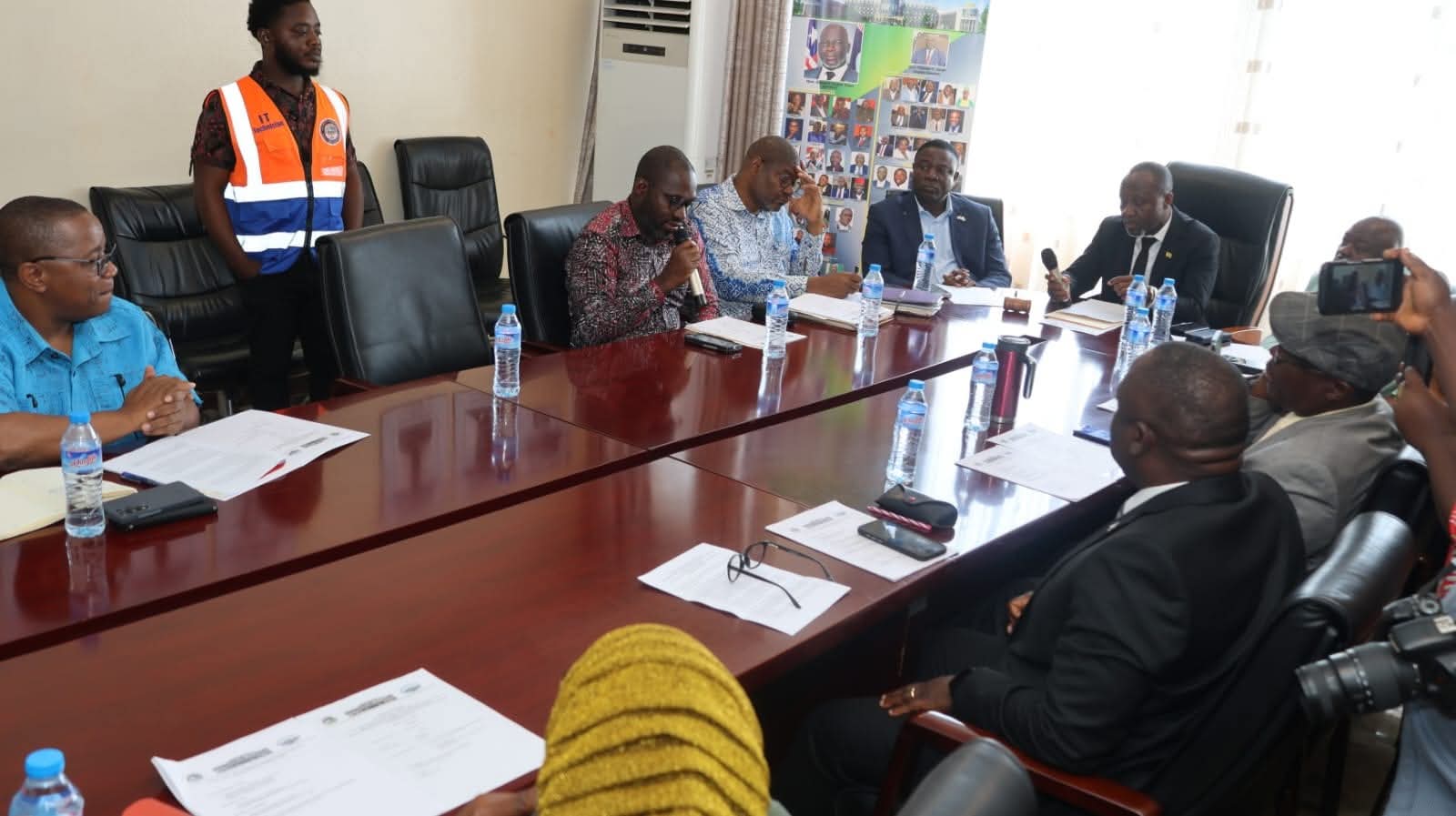
Monrovia — A joint legislative committee has commenced formal hearings into the Government of Liberia’s proposed US$45 million supplementary budget, with lawmakers emphasizing accountability and prudent management over the size of the fiscal adjustment.
The review, led by the Joint Committee on Ways, Means, Finance and Budget, marks a key step in assessing how additional resources generated outside the originally approved 2026 national budget will be allocated and managed.
Presenting the policy framework before lawmakers, Acting Finance Minister Anthony G. Myers urged the Legislature to evaluate the supplementary budget within the broader context of fiscal responsibility and compliance with public financial management laws. He stressed that the proposed increment—representing roughly three percent of the approved US$1.2 billion national budget—should not be judged solely by its scale.
“In the interest of accountability, it is required that we report to the people that we have received resources above what was approved by their representatives,” Myers told the joint hearing.
According to the Finance Ministry, the additional US$45 million is derived from two principal sources: US$40 million in delayed budget support from the World Bank, initially approved in 2024 but disbursed after compliance with prior benchmarks, and US$5 million generated through stronger-than-anticipated domestic revenue performance.
The proposed adjustment would raise Liberia’s total national budget from approximately US$1.24 billion to US$1.29 billion.
A central issue during the presentation was the allocation of funds toward recurrent expenditures, which has sparked public debate. Minister Myers pushed back against criticism that such spending lacks developmental value, arguing that essential services—including healthcare delivery, education, and public sector wages—fall within this category.
“We should not allow a simplistic definition of fiscal issues to dominate decision-making,” he cautioned, pointing to persistent challenges such as reliance on volunteer teachers and health workers that require sustained financial support.
On revenue performance, Deputy Commissioner General for Technical Affairs at the Liberia Revenue Authority, Gabriel Y. Montgomery, reported a strong fiscal outlook for 2026, reinforcing the government’s position that the supplementary budget is backed by credible inflows.
Expenditure priorities outlined in the draft place significant emphasis on social services. Approximately US$19.3 million—about 43 percent of the proposed budget—has been earmarked for health, education, and social development programs. Planned interventions include transitioning volunteer teachers and healthcare workers onto the government payroll, supporting the establishment of a national children’s hospital, expanding school feeding initiatives, and increasing youth empowerment funding. The plan also includes subsidies for the National Transit Authority aimed at preventing fare hikes.
In addition, US$5.1 million has been allocated to border security and emergency response measures, reflecting heightened national and regional security concerns.
Opening the hearings, House Committee Chair on Ways, Means and Finance, P. Mike Jury, described the process as a critical component of democratic governance, underscoring the Legislature’s oversight responsibility.
“This supplementary budget is not merely a technical adjustment,” Jury said. “It reflects our evolving national priorities and responsiveness to economic realities.”
The hearings are expected to continue in the coming days, with ministers and heads of spending entities slated to provide further justification for their respective budgetary requests as lawmakers weigh the proposal’s alignment with Liberia’s development priorities.