 By
By By: Staff Writer
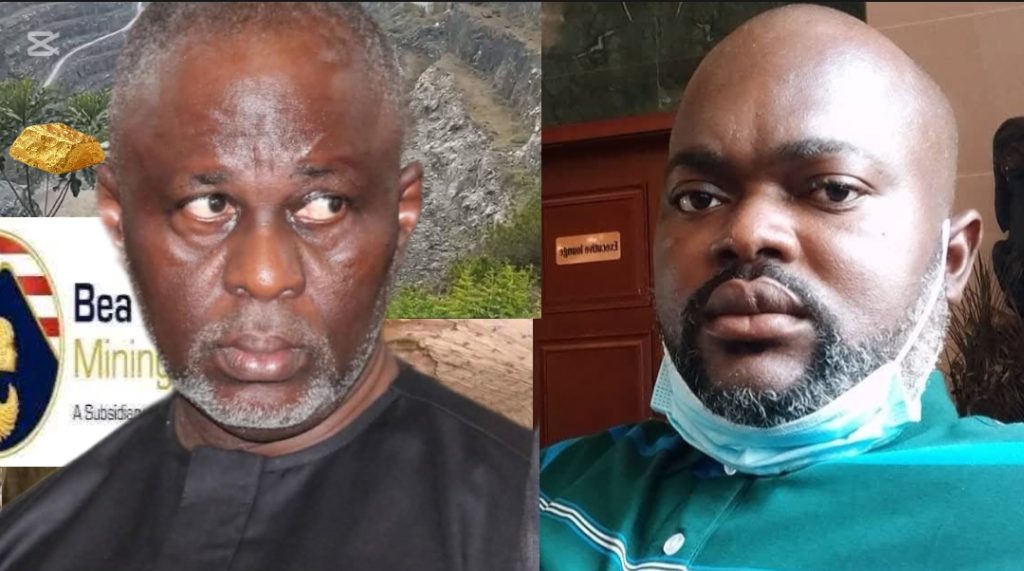
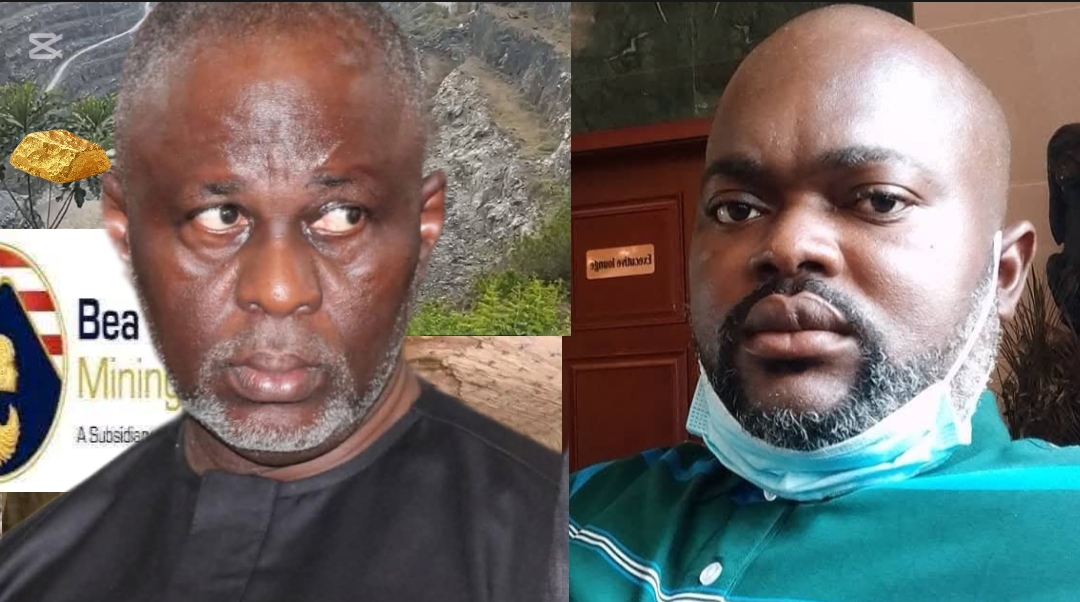
A sharp public rebuttal has erupted as investigative journalist Charles Yates launches a scathing response to comments made by Margibi County Senator Nathaniel F. McGill regarding the operations and revenue of Bea Mountain Mining Corporation (BMMC).
The tension follows a recent visit by Liberia’s Vice President Jeremiah Kpan Koung to the company’s mining site, where BMMC’s management reportedly disclosed that the company generates approximately $1.9 billion annually from gold production. The revelation has since ignited widespread public debate over transparency and the government’s share of mining revenues.
Reacting to the development, Senator McGill acknowledged growing public concern and emphasized the need for accountability. “There has been legitimate concern among Liberians about how much the government is actually benefiting,” he stated, adding that his findings—pending verification by the Ministry of Finance and the Liberia Revenue Authority—suggest that multiple tax streams contribute to national revenue. He further noted that BMMC is expected to contribute over $220 million annually, representing about 48 percent of profits, beginning this year, the senator stated.
However, Yates dismissed McGill’s intervention in the matter, questioning both his credibility and past conduct. In a strongly worded response, the journalist accused the senator of lacking the moral authority to comment on the issue, citing alleged historical ties with the mining company during his tenure as Minister of State under the former administration.
“Senator McGill should not be talking in this Bea Mountain exploitation against the people of Liberia because he himself is a conspirator,” Yates asserted, alleging that the lawmaker had close dealings with the company in the past, the journalist stated.
Yates further alleged that McGill maintained frequent engagements with BMMC, including regular visits to the company’s premises during his time in government. He went on to claim that the senator was complicit in controversial actions involving foreign nationals linked to an international school in Liberia, suggesting that such decisions were influenced by the company’s interests, he added.
According to Yates, these past actions undermine McGill’s current posture on transparency and accountability in the extractive sector. He argued that individuals who were previously aligned with corporate interests should not now position themselves as advocates for public accountability, the journalist noted.
The journalist’s remarks have intensified scrutiny around both the senator’s past role in government and the broader relationship between public officials and multinational concessionaires operating in Liberia.
Meanwhile, McGill has maintained that his intention is to push for clarity in how mining revenues are calculated and shared, stressing that Liberians deserve full disclosure on agreements that impact national resources. His comments also drew comparisons with other concession deals, including those in the oil and mining sectors, as he called for broader evaluation of existing contracts.
The exchange underscores rising public demand for transparency in Liberia’s extractive industries, particularly as new figures emerge regarding the scale of revenues generated by major concession companies.
As debate continues, attention remains fixed on whether relevant government institutions will verify the claims and provide a comprehensive breakdown of the country’s actual earnings from one of its most lucrative mining operations.