 By
By 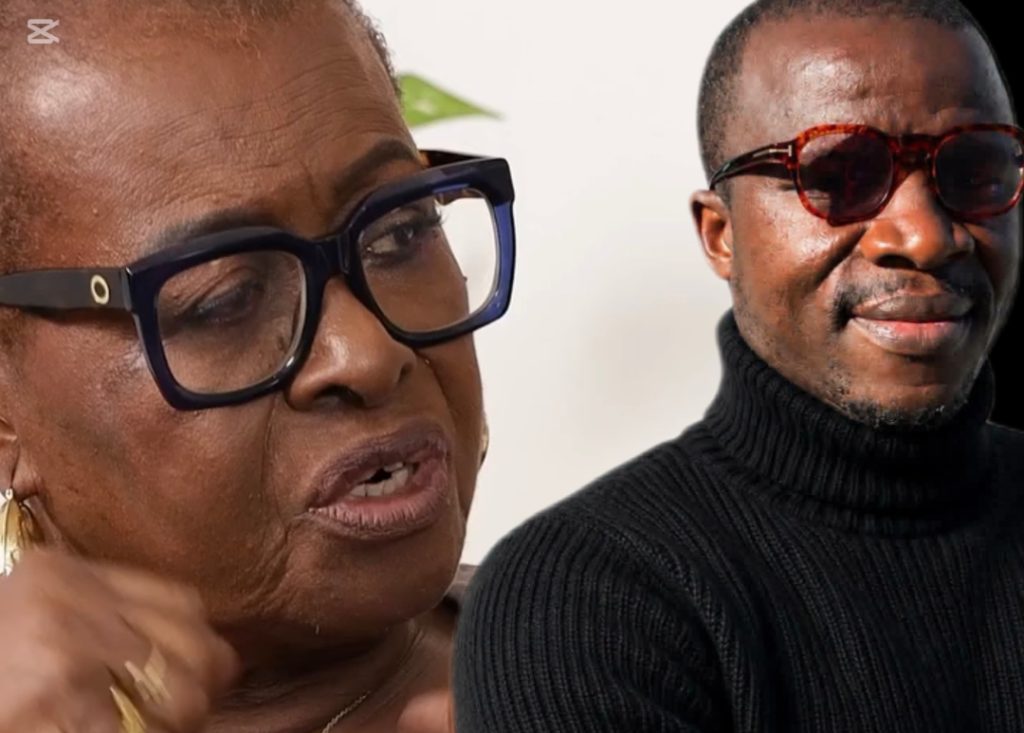
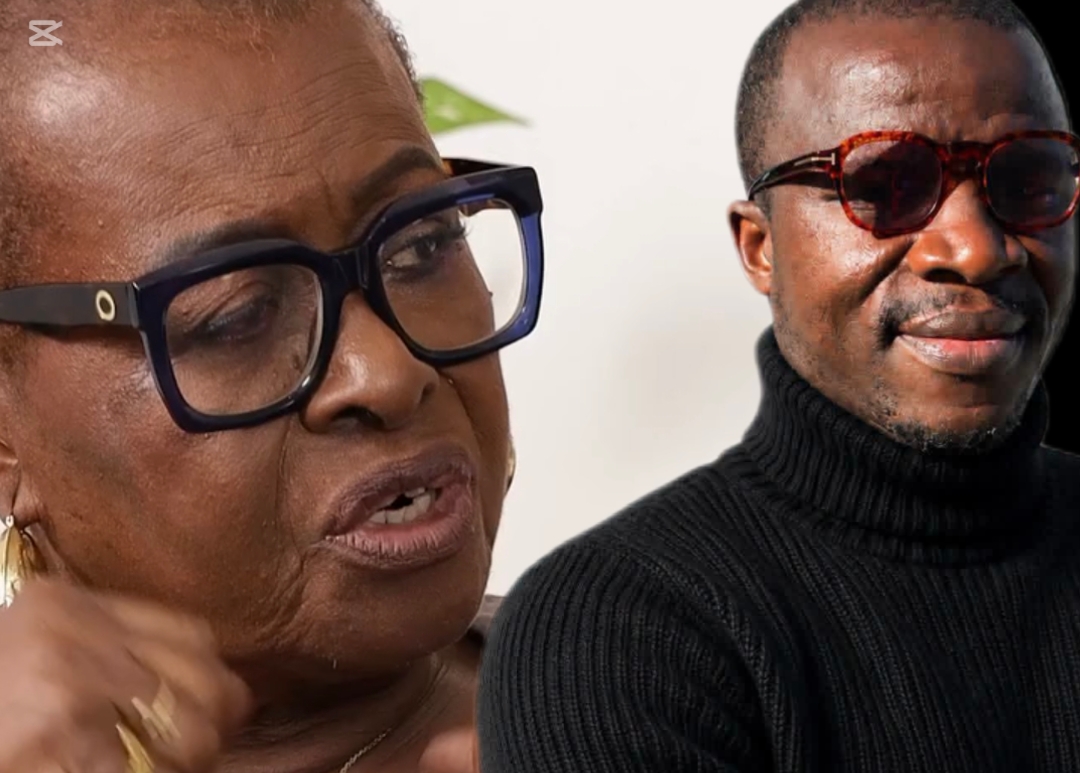
Monrovia, Liberia — A fresh political clash has erupted in Liberia after economist Miatta Fahnbulleh blamed former President Ellen Johnson Sirleaf for “unleashing George Weah” on the country, and former presidential aide Sekou Kalasco Damaro fired back within hours. In an interview, Fahnbulleh said Sirleaf’s “lasting legacy will be that she unleashed George Weah on us,” arguing that the former president “literally held up his hand as the successor.” She dismissed Weah’s fitness for office, calling him “a fantastic football player” but “a disaster for the country” who “had absolutely no interest in governance” and was “just happy to be President — enjoying himself, doing a booga dance, drinking and partying.”
Damaro, who served in the Weah administration, responded with a direct attack on what he called an elite mindset. “People like Miatta envisaged themselves as the ruling class Liberians and nobody outside that ruling class has the right to contest or win the presidency,” he said. According to Damaro, Fahnbulleh and her circle believe “a slum dweller and football player like George M. Weah is outside the ruling class” and that his rise “has desecrated and stained the Presidency of Liberia.” He accused them of being “angry and toxic towards Former President Weah at all times” because he remains “a defining political figure within Liberia’s body politic.”
The exchange lays bare a deeper debate about class, credentials, and who gets to lead. Fahnbulleh questioned whether a footballer could handle the technical demands of the presidency, asking “How do you expect him to come and read a 530-page budget?” and comparing Weah’s entry into politics to “Abedi Pelé for President.” Damaro rejected that frame entirely. “It is a new dawn in Liberia’s political landscape and Liberians are opting for leaders that represent their kind,” he argued. “Miatta Fahnbulleh has failed to realize that the political tide has swung and that entitlement mentality to so-called educated class doesn’t exist anymore.”
Both statements signal how the legacies of Sirleaf and Weah continue to shape Liberia’s politics. Fahnbulleh frames Weah’s presidency as a failure of leadership and judgment. Damaro frames the criticism of Weah as class prejudice against ordinary Liberians. With Weah still active in national politics, the back-and-forth suggests the country’s conversation is shifting less around policy records and more around identity — who represents “the people,” and who gets to decide.