By
By By: Alphanso G. Kalama,

Photo Credit to Journalist Henry Gboluma: Water Sources been contaminated during the company’s operations.
Gbarpolu County, Liberia – The Environmental Protection Agency (EPA) has taken decisive action against the United Africa Minerals Cooperation (UAMC), shutting down its Class B gold mining operations in Gbarpolu County due to serious environmental violations. This follows a recent investigation that revealed the company has been operating without the necessary environmental permit.
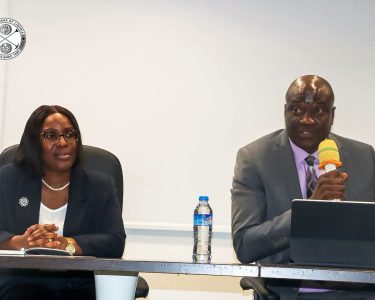
Speaking at the Ministry of Information Cultural and Tourism’s Regular Press Update on Tuesday, the EPA Boss Emmanuel Urey Yarkpawolo disclosed that the EPA’s findings indicate that UAMC’s mining activities have caused significant land degradation, massive biodiversity loss, and pollution of local water sources, making it increasingly difficult for residents to access clean water for domestic use. The agency reported extensive sediment deposition in nearby rivers, posing a serious threat to both the environment and public health.
He furthered that Adding to the controversy, the investigation is examining allegations that UAMC improperly used sodium cyanide, a hazardous chemical reserved for Class A mining operations. The use of such a toxic substance in a Class B operation raises further concerns about the company’s compliance with safety and environmental regulations.
In response to these violations, the EPA has imposed a fine of $30,000 on UAMC, which must be paid into the Government of Liberia’s revenue account within 72 hours. The agency emphasized that this action is a crucial step in holding mining companies accountable for their environmental responsibilities.
According to Mr. Yarkpawolo, the EPA officials are set to send a team of technicians to the mining site for a more detailed assessment regarding the allegations of cyanide use. The results of this investigation are expected to be made public, with many in the community eager for transparency and accountability.
As the EPA’s actions unfold, residents of Gbarpolu are calling for stronger measures to protect their environment and water resources. The situation highlights the pressing need for stricter enforcement of mining regulations to prevent future environmental degradation and to safeguard the health of local communities.
This crackdown on UAMC could set a significant precedent in Liberia’s ongoing battle to balance resource extraction with environmental protection, as the nation grapples with the consequences of unsustainable mining practices.