 By
By By: Contributing Writer
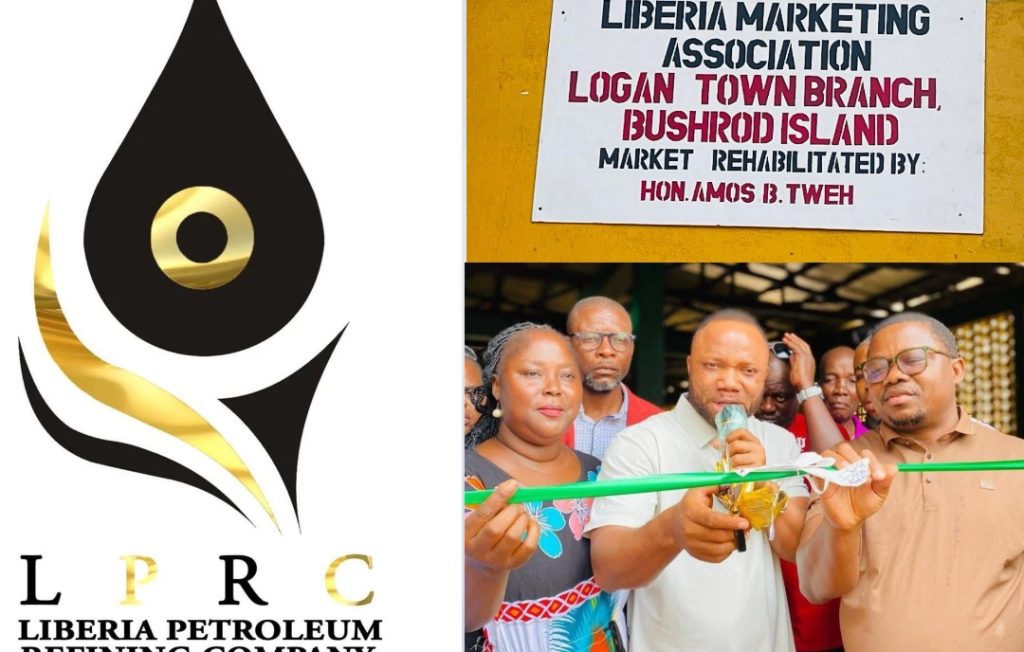
Monrovia — The newly renovated Logan Town Market may be shining with fresh paint and renewed hope for market women, but behind the facelift, a serious corporate governance storm is quietly brewing.
Corporate Governance, Risk and Compliance practitioner David S. Kansuah II has released a damning compliance review of the project, warning that what has been celebrated as generosity could in fact be a dangerous violation of Liberia’s public finance and ethics laws.
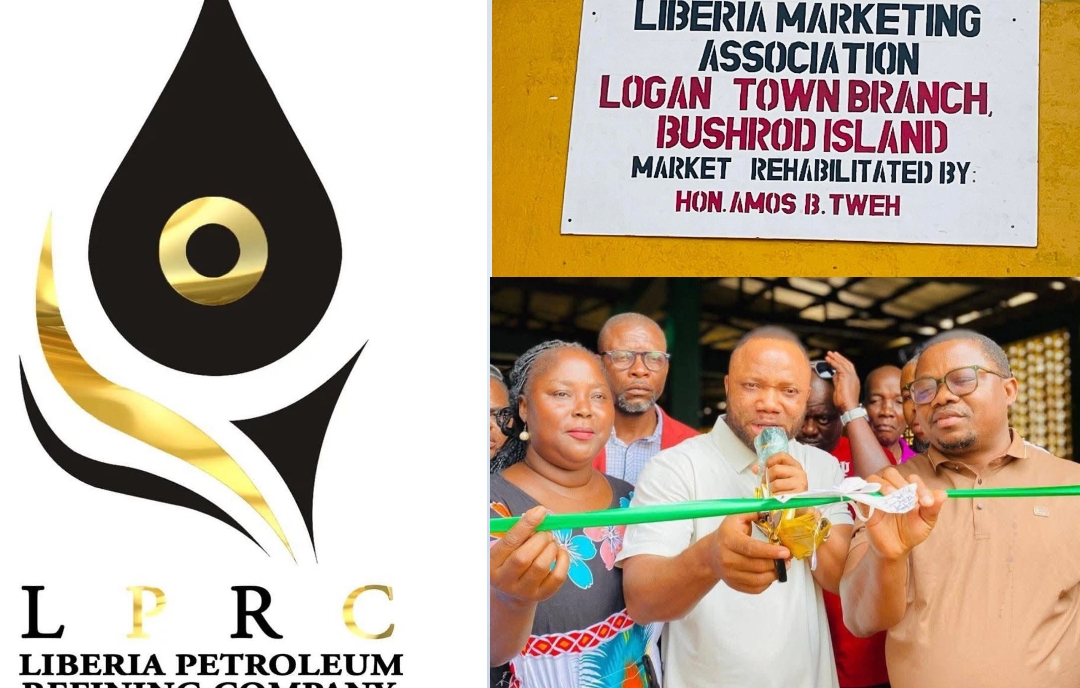
Kansuah, who praised the market’s transformation as a long-overdue relief for petty traders, says the process that delivered the renovation tells a much more troubling story. According to his findings, the project was financed through a controversial 50–50 arrangement in which the Managing Director of the Liberia Petroleum Refining Company, Amos Tweh, allegedly combined 50 percent of LPRC’s corporate social responsibility funds with 50 percent of his personal money to carry out the work.
To Kansuah, this blending of public and private funds is not charity. It is a red flag.
“The moment a sitting public official mixes state resources with personal funds for a political project, you destroy the line between public service and private ambition,” he warns. “That line is protected by law for a reason.”
Under Liberia’s Code of Conduct and the Public Financial Management Act, public resources must be used strictly for authorized public purposes and kept completely separate from personal assets. Kansuah says the Logan Town Market arrangement created what compliance experts call a “gray zone,” where no one can clearly tell which dollar came from where, making proper auditing almost impossible.
Even more alarming, he argues, is the way the project was branded.
By presenting the renovation as a personal initiative while using LPRC’s money, Kansuah says Mr. Tweh effectively turned public funds into a private political investment. That, he insists, violates conflict-of-interest rules that prohibit officials from using their positions to gain personal advantage.
“This is how institutions are hollowed out,” Kansuah said. “A public corporation becomes a personal campaign machine, and taxpayers end up financing individual reputations.”
Beyond the legal breaches, the review warns of the wider institutional danger. If a managing director can use 50 percent state money to claim 100 percent political credit, then no public enterprise is safe from being turned into a private platform.
Kansuah describes the situation as a textbook case of how conflicts of interest erode public trust and weaken state-owned enterprises from within.
He is now calling on the LPRC Board to act decisively by ordering a forensic audit of the Logan Town Market project and removing all personal branding associated with Mr. Tweh so that the project is properly credited as a public, not private, initiative.
“The renovation itself is welcome,” Kansuah concludes, “but the way it was done is a clear subversion of policy. If we allow this to stand, we are telling every public official that the law is optional and public money is negotiable.”
For Liberia’s struggling state institutions, the Logan Town Market may now be more than a marketplace. It has become a test case for whether corporate governance still means anything at all.