By
By By: Staff Writer:

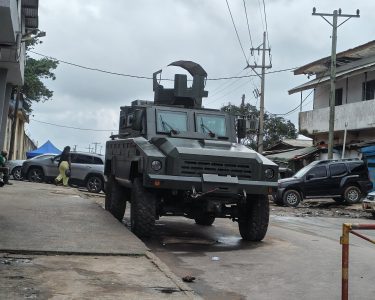
Public concern is mounting in Liberia following reports about the formation of a group calling itself the National Fula Security of Liberia (NFSL), with citizens and civil society actors urging the government to clarify the group’s legal standing and operational mandate.
The discussion has sparked a broader national debate on security governance, community watch initiatives, and the limits of ethnic-based organizations in matters relating to public safety.
Calls for Government Review
Several citizens have questioned whether any tribe or ethnic group in Liberia is legally permitted to establish its own security structure outside the country’s recognized national security institutions. Concerns raised online and in public commentary stress that Liberian law prohibits unauthorized militias or armed groups, prompting calls for the government to investigate the NFSL’s registration, licensing, and oversight framework.
Rev. Philip S. Blamo of the Citizens Action Committee described the issue as one that should “urgently capture the attention of the national security apparatus,” arguing that any entity perceived as a parallel security structure risks undermining the rule of law if not properly regulated.
He emphasized that the matter should not be viewed through an ethnic lens, but rather as a national security concern requiring clarity and adherence to legal frameworks.
Fula Forum Responds
In response, representatives associated with the Fula community and the forum that initiated the idea have rejected claims that the group is a militia. They say the NFSL is intended as a community watch or safety initiative, similar to neighborhood patrols or private security arrangements found in many Liberian communities.
According to the forum, such initiatives are typically expected to operate in coordination with the Liberia National Police and under the oversight of relevant authorities.
They also argued that questions surrounding the group’s naming, structure, or authorization should be treated as administrative issues for the Ministry of Justice rather than evidence of any extremist or militant agenda.
The forum further highlighted what it described as the Fula community’s longstanding reputation for peaceful coexistence and economic contribution, warning that inflammatory comparisons could foster unnecessary ethnic tension.
Need for Official Clarification
Security observers note that Liberia’s post-war security reforms emphasize centralized control of armed forces and strict regulation of any security-related organization. As such, analysts say the government’s response will be crucial in preventing speculation, mistrust, or political manipulation of the issue.
Many citizens are now calling on national authorities including the ministry of justice to publicly clarify whether the NFSL is formally registered, what its permitted functions are, and how it fits within Liberia’s legal and security architecture.
Until such clarification is issued, the debate is likely to continue, reflecting broader public sensitivity around security structures, ethnic relations, and the preservation of national unity.