 By
By By: Senior Reporter
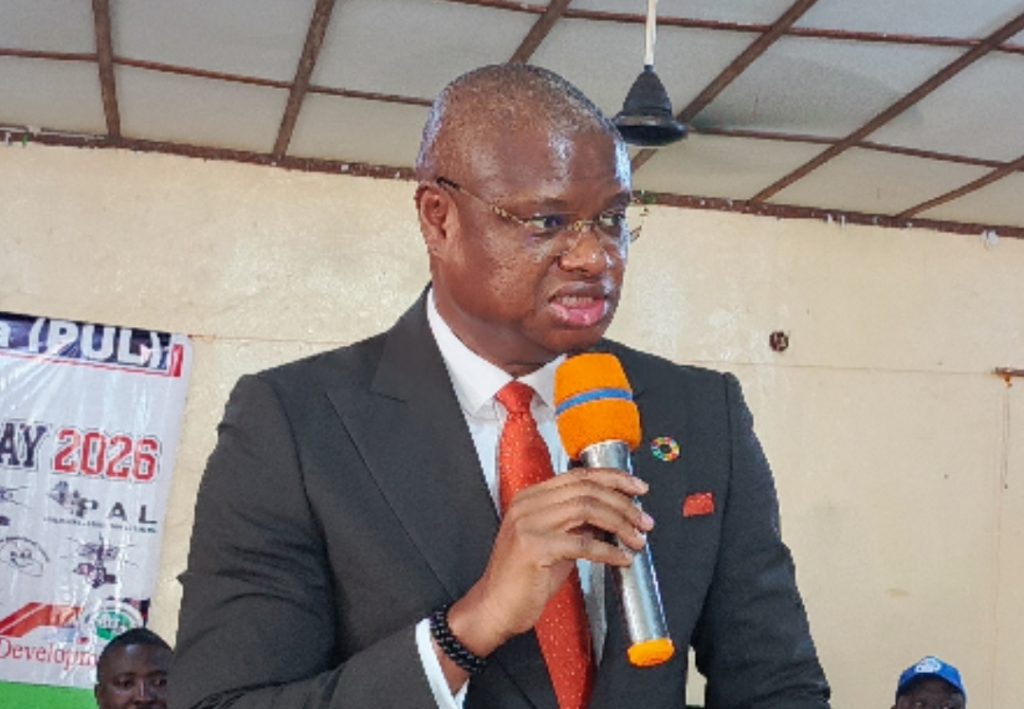
Kakata, Margibi — Journalist safety and press freedom are essential for peace, human rights, and development, the United Nations Development Programme in Liberia said Monday, urging every sector of society to protect truth and push back against false information.
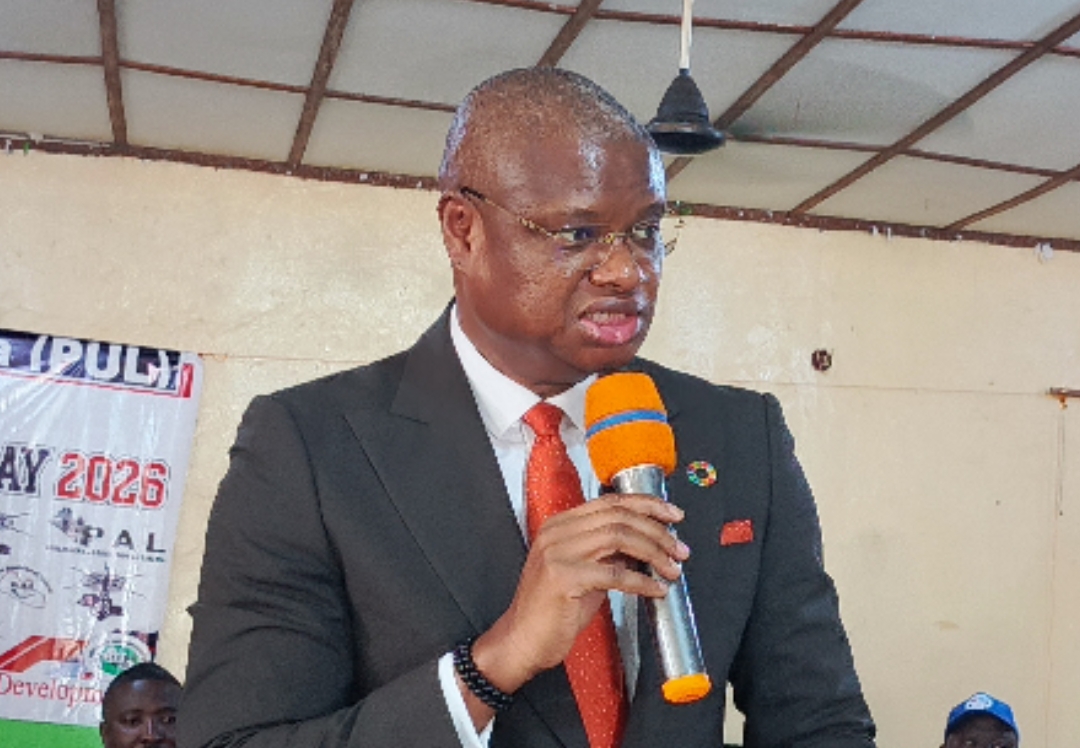
Addressing the 2026 World Press Freedom Day program in Kakata City, UNDP Resident Representative Aliou Mamadou Dia described a free press as “the lifeblood of every democratic society,” while cautioning that Liberian reporters still encounter serious threats.
“A journalist’s safety is non-negotiable,” Dia told government officials, diplomats, civil society actors, and media practitioners. “No reporter should ever face intimidation, assault, or be silenced for carrying out their work. Keeping journalists safe is a responsibility we all share.”
The event, held under the global theme “Shaping a World at Peace: Promoting Press Freedom for Human Rights, Security, and Development,” examined both progress and ongoing challenges in Liberia’s media sector.
Dia praised Liberian journalists for their “remarkable resilience,” saying they continue to promote transparency and give voice to communities “often under difficult conditions.” He cited dangers including threats to physical safety, financial strain, online abuse, and the fast spread of false information.
Press freedom, he added, must be matched with professional duty. “As we rightfully defend press freedom, we must also accept that freedom carries responsibility,” he said. “Journalists serve the public best when they adhere to the highest levels of truth, fairness, professionalism, and fact-checking.”
In a digital age marked by polarization, he cautioned that careless reporting can worsen divides. “Where polarization and misinformation can threaten fragile peace, responsible journalism becomes even more critical,” Dia said. “Journalists are not just bystanders in society — they are custodians of the public interest.”
He highlighted UNDP’s continued work with Liberia’s media, including efforts to support electoral transparency through the Liberia Electoral Support Project, strengthen investigative reporting alongside the Liberia Anti-Corruption Commission and civil society, and enhance journalist safety via dialogues between media and law enforcement. He referenced a December 2025 forum in Zwedru that revised protocols for journalists and security forces during elections, drawing on experiences from 2023.
“Corruption survives in secrecy but collapses under public scrutiny,” Dia noted, stressing the media’s role in accountability. UNDP has also supported digital literacy and fact-checking programs with partners such as Internews and iVerify to combat hate speech and online disinformation.
Dia called for joint action, urging the Government to reinforce legal and institutional safeguards for journalists and ensure access to information. He appealed to security agencies “to fulfill their obligation to protect journalists — not just during elections, but always — so they can work freely and without fear or bias.”
He encouraged media houses to uphold ethical standards and accuracy, and urged citizens to stand for truth. “Turn away from misinformation, and back a media environment that advances democracy and peace,” he said.
“Let’s recognize the work of Liberia’s journalists, remember their sacrifices, and renew our promise to build a society where truth is defended and every voice counts,” Dia concluded. “UNDP will remain a committed partner to the people of Liberia, its institutions, and its dynamic media community.”
World Press Freedom Day is observed internationally each May 3 to promote press freedom and to honor journalists killed in the line of duty.