 By
By By: Staff Writer

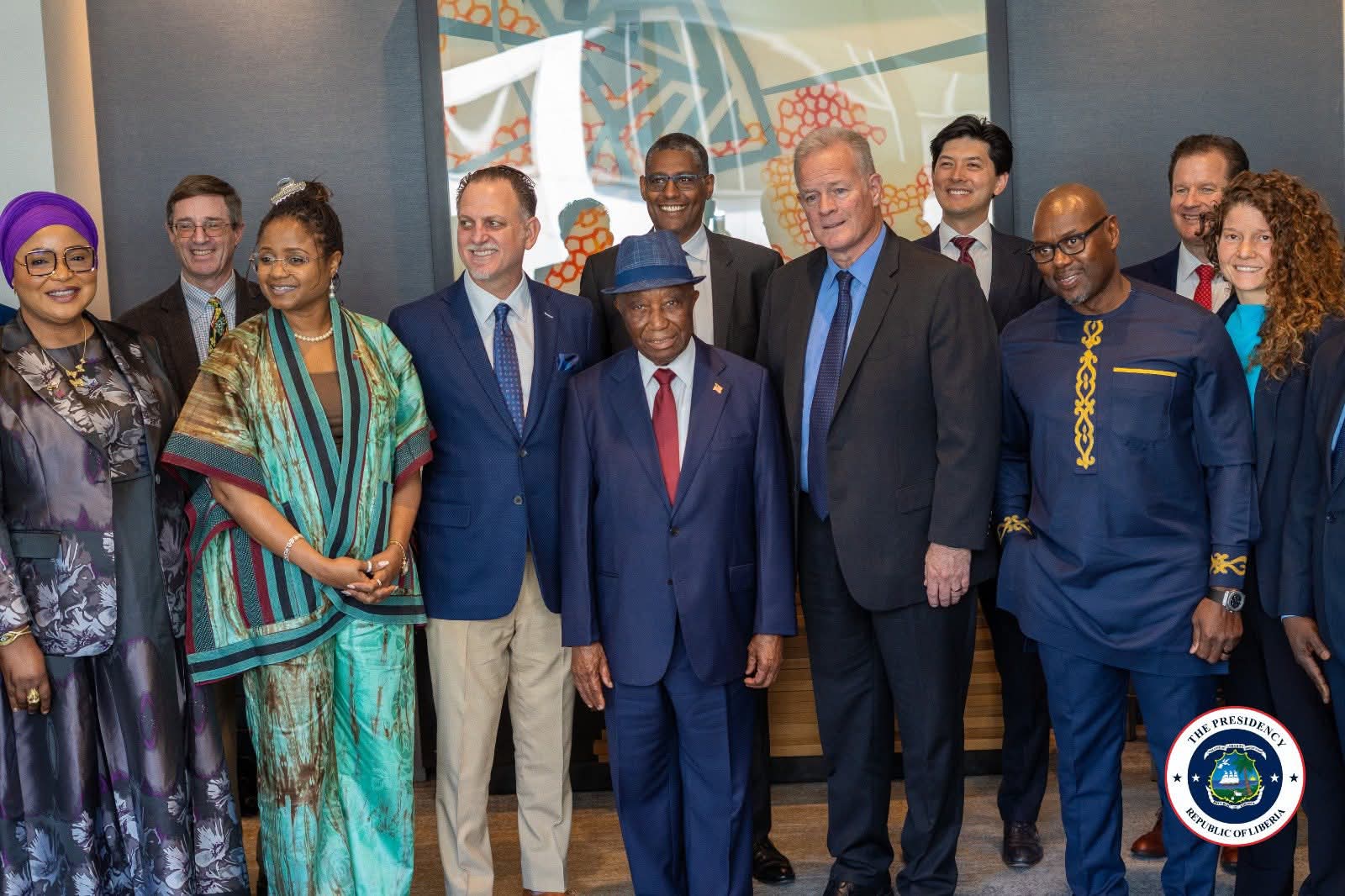
SACRAMENTO, — Liberia and a delegation of California agricultural, academic, and investment leaders have launched a joint plan to eliminate Liberia’s reliance on imported rice and modernize its agriculture sector, aiming to turn the country from a net importer into a regional exporter.
The initiative, announced after a strategy session in Sacramento on April 24, seeks to phase out the roughly $200 million Liberia spends annually on rice imports. Liberia currently imports 61% of its rice, according to the joint communiqué issued after the talks.
“This partnership marks a turning point for Liberian agriculture,” the statement said. “By combining Liberia’s natural resources and workforce with California’s innovation and investment, we are building a pathway to food security, job creation, and sustainable economic growth.”
Pilot Projects and Model
Under the framework, pilot programs will target 50,000 hectares of lowland for rice production. The approach will link smallholder farmers with multinational processors through nucleus estate and out-grower schemes designed to improve access to markets, mechanization, and financing.
The partnership also plans to address key constraints in Liberia’s farming sector, including irrigation, seed and fertilizer supply, post-harvest processing, and access to affordable credit for farmers.
Technology and Investment
The University of California system will lead technology and knowledge transfer, contributing expertise in irrigation, plant breeding, soil health, and livestock nutrition. Among the innovations discussed were nitrogen-fixing cereals to reduce fertilizer use and black soldier fly protein systems for animal feed, backed by digital optimization tools.
California representatives pledged to leverage their networks of investors and agribusiness firms to support Liberia’s agricultural transformation. An international investment forum is scheduled for August 2026 in Liberia in partnership with the Food and Agriculture Organization to present opportunities to global stakeholders.
Next Steps
The California delegation is expected to deliver a detailed joint work plan within two weeks, outlining target crops, timelines, and partnership structures. Technical teams from the University of California plan to deploy to Liberia soon after to begin pilot implementation.
While rice self-sufficiency is the immediate focus, the initiative will also evaluate opportunities in cassava, maize, vegetables, coffee, cocoa, livestock, fisheries, and aquaculture, with investments aligned to regional advantages across Liberia.