 By
By By: The People News Online
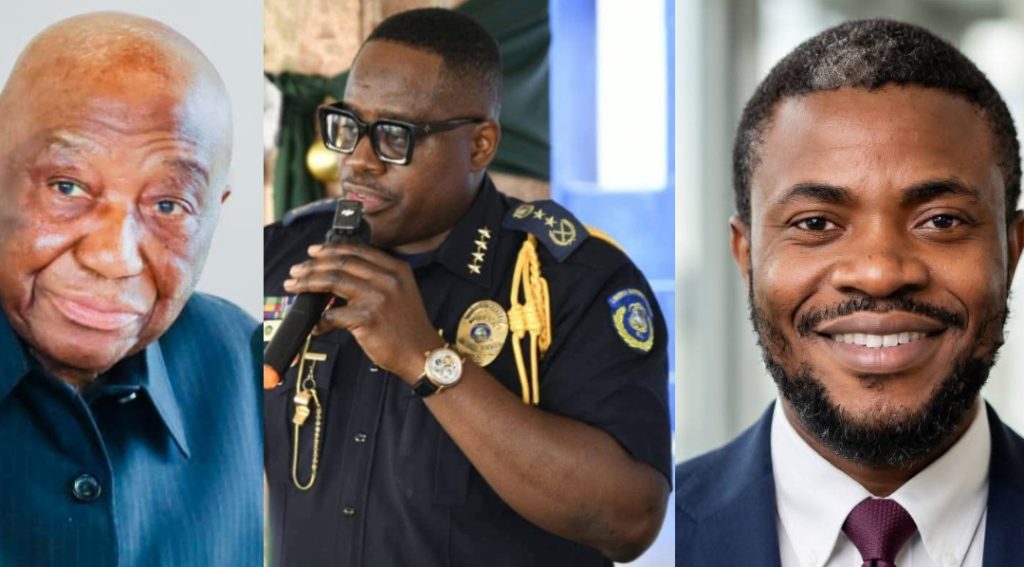
Monrovia, Liberia — A Liberian humanitarian and politician based in Hamburg, Germany, Hassan Kenneh, has issued a strong critique of President Joseph Boakai’s administration, warning that Liberia risks drifting away from democratic principles despite coming to power through a legitimate electoral process.
In a detailed public statement, Kenneh emphasized that democracy is not defined solely by how leaders assume office, but more importantly by how they govern. While acknowledging the credibility of the 2023 elections that brought President Boakai to power, he argued that recent actions by the government raise concerns about its commitment to democratic values.
Kenneh’s remarks were triggered by a recent police intervention against members of the Student Unification Party (SUP) at the University of Liberia. The students, who had organized a peaceful protest, were met with force as police reportedly arrested and detained about twenty individuals. The incident, he noted, reflects a troubling response to dissent in a democratic society.
According to Kenneh, the right to peaceful protest is fundamental in any functioning democracy, and the use of force against unarmed students undermines that principle. He described the arrests and alleged mistreatment of the students as unacceptable, particularly within a university setting where freedom of expression should be protected.
Growing Concerns Over Governance
Kenneh further argued that the government’s democratic mandate should be viewed as a responsibility rather than a license to act without restraint. He warned that actions perceived as suppressing dissent could erode public trust and weaken democratic institutions.
“Although the government came to power through democratic means, some recent actions appear inconsistent with democratic values,” he stated, pointing to what he described as a pattern of heavy-handed responses to public protests since mid-2025.
In recent months, various groups—including students, workers, and market women—have taken to the streets to express concerns over economic hardship, corruption, and governance issues. Kenneh noted that many of these demonstrations have been met with force rather than engagement.
Police Conduct Under Scrutiny
A significant portion of Kenneh’s criticism focused on the role of the police, which he accused of acting in ways that prioritize the protection of government authority over citizens’ rights. He stressed that law enforcement agencies are mandated to maintain order and protect the public, not to suppress lawful dissent.
He cautioned that when police actions create fear instead of security, it signals a shift away from democratic norms. Such developments, he argued, should be addressed urgently to prevent further erosion of civil liberties.
A Shift from Past Political Positions
Kenneh also highlighted what he sees as a contradiction in the current administration’s approach. He recalled that President Boakai had previously supported protests and civic activism while in opposition, advocating for citizens’ rights to demand accountability and better governance.
The current response to protests, Kenneh suggested, stands in contrast to those earlier positions, raising questions about consistency in upholding democratic freedoms.
A Diaspora Perspective
Drawing from his experience living in Europe, Kenneh said many Liberians in the diaspora closely monitor developments back home and are concerned about early signs of democratic backsliding. Having observed functioning democracies abroad, he noted that the true test of governance lies in how authorities handle criticism and dissent.
For Kenneh, the health of Liberia’s democracy will be measured by whether citizens can freely express their views, protest peacefully, and hold their leaders accountable without fear of repression.
Call for Democratic Accountability
He concluded by underscoring the importance of safeguarding fundamental freedoms, including freedom of speech, the rule of law, and the protection of all citizens regardless of their political stance.
Kenneh warned that failure to uphold these principles could have lasting consequences, stressing that governments must recognize dissenting voices not as threats, but as an essential part of democratic governance.
As Liberia continues its democratic journey, his message serves as a reminder that sustaining democracy requires vigilance, accountability, and a consistent commitment to the rights of all citizens.