 By
By: Staff Writer
Monrovia – Liberia has taken a decisive step from vision to implementation in its national healing process, with the adoption of landmark resolutions laying the foundation for the Liberia Peace, Reconciliation and Memorial Museum.
The resolutions were adopted during the First Steering Committee Meeting held in Monrovia from November 16 to 18, 2026, and announced on Monday, November 23, 2026, by the United Nations Development Programme (UNDP).
According to the communiqué, the decisions transform a national vision into a concrete implementation roadmap, reaffirming Liberia’s determination to preserve its history, honor victims and survivors, and strengthen peace for future generations.
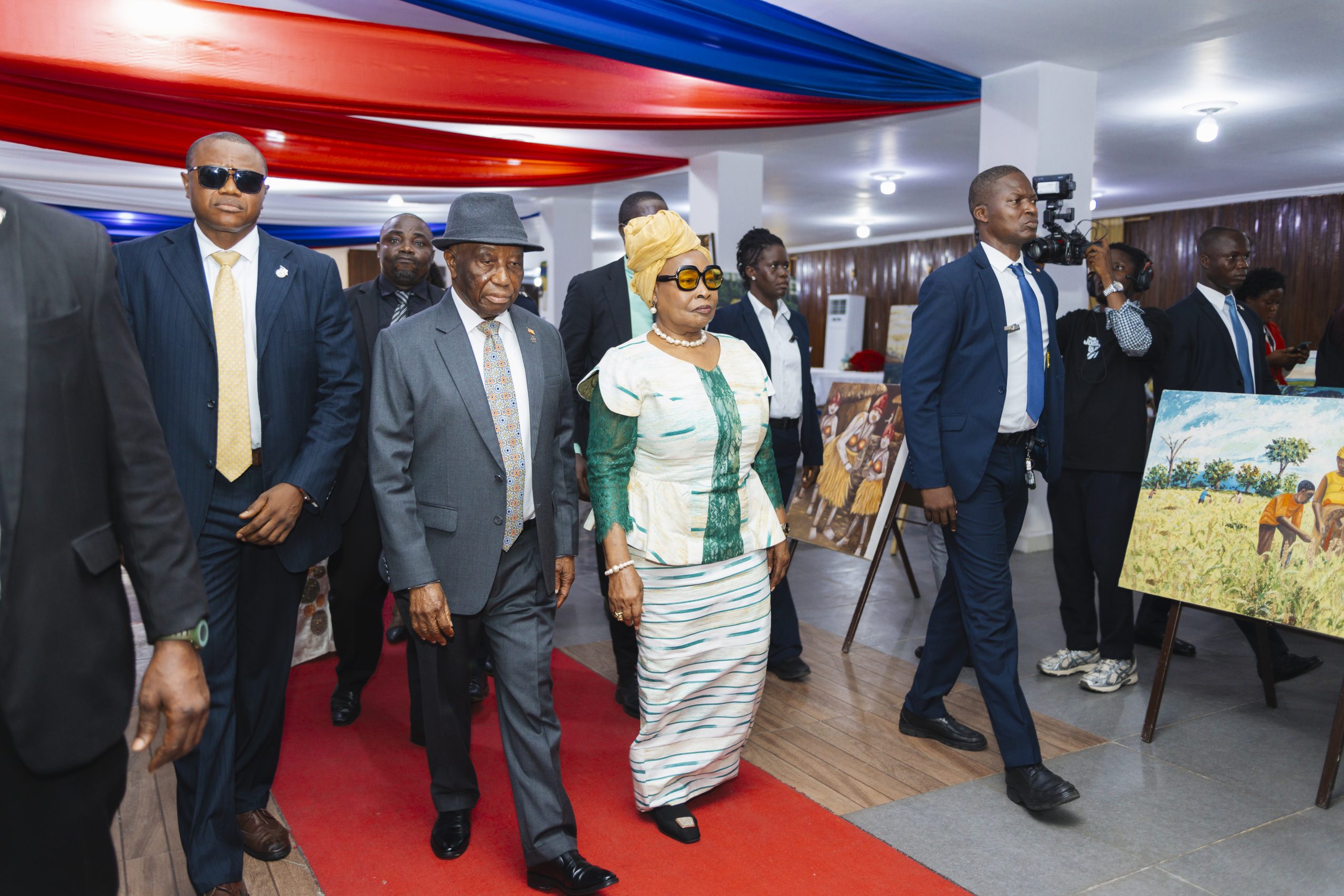
The outcomes build on the vision articulated by President Joseph Nyumah Boakai during the launch of the National Historical Recovery Initiative, that the Museum must place victims and survivors at the center of national healing. President Boakai stressed that the Museum must serve as a space where Liberia confronts its history honestly while building a more peaceful future.
“This Museum must not simply tell the story of our past; it must help shape the future we seek. The experiences of victims and survivors must guide this process, ensuring that remembrance becomes a bridge to healing, reconciliation and lasting peace,” President Boakai said.
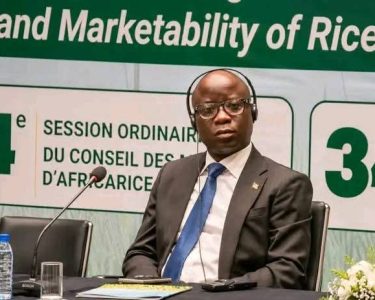
After three days of deliberations, the Steering Committee, chaired by Hon. Hadja Mamaka Bility, Minister of State without Portfolio, and co-chaired by Ambassador Aliou Mamadou Dia, UNDP Resident Representative, endorsed the Project Charter as the foundational framework for implementation, formally confirmed the institution’s name as the Liberia Peace, Reconciliation and Memorial Museum, adopted a Performance Measurement Baseline Plan through December 2027, approved a comprehensive budget framework, and endorsed a 90-day action plan to accelerate implementation. The resolutions establish the governance, accountability, and operational mechanisms required to move the initiative from concept to reality.
The meeting brought together government institutions, civil society organizations, victims and survivors, women’s and youth groups, traditional and religious leaders, development partners, and international experts.
A significant outcome was the formal establishment of five Technical Working Groups to drive the Museum’s core pillars, covering historical narrative development, archives and memorialization, governance and legal frameworks, architecture and design, and education, reconciliation and public engagement. Together, the groups will ensure the Museum reflects Liberia’s diverse histories and provides an inclusive platform for preserving memory and promoting dialogue.
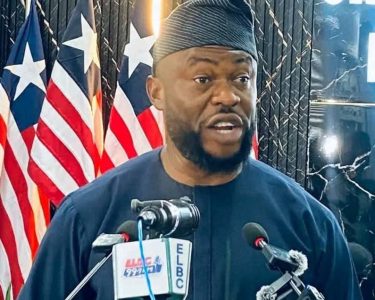
Addressing the meeting, Minister Bility described the resolutions as a turning point.
“What we have achieved here is more than the adoption of resolutions. We have laid the foundation for a national institution that will safeguard our history, honor the dignity of victims and survivors, and help future generations understand the cost of conflict and the value of peace,” she said.
The Steering Committee also endorsed a resource mobilization and financing strategy requiring contributions from government, the United Nations system, bilateral and multilateral partners, foundations, the private sector, and the Liberian diaspora. The collective financing framework reflects broad national and international support for the initiative and a shared recognition of its importance to Liberia’s long-term peacebuilding efforts.
The meeting further endorsed an international technical cooperation framework involving Rwanda, South Africa, the University of South Africa (UNISA), and UNDP, enabling Liberia to benefit from global experiences in memorialization, reconciliation, and institutional development. The Committee directed the Secretariat to conclude cooperation arrangements and establish mechanisms for knowledge exchange and technical support.
For UNDP Resident Representative Aliou Mamadou Dia, the resolutions demonstrate Liberia’s determination to transform memory into a force for national renewal.
“A memorial museum is not only about remembering the past. It is about ensuring that the lessons of history guide future generations. Through these resolutions, Liberia is creating a platform where truth, education, dialogue and reconciliation can come together to strengthen peace and national unity,” Dia said.
The communiqué adopted at the close of the meeting captures a shared conviction that the Museum must be more than a physical structure. It must become a living institution that preserves collective memory, encourages reflection, promotes civic education, and fosters dialogue across generations. It also reaffirms that women, youth, persons with disabilities, traditional leaders, and marginalized communities must have meaningful roles in shaping the Museum’s development and future programming.
Ultimately, the resolutions represent more than administrative decisions. They signal Liberia’s commitment to confronting its history with honesty, honoring those affected by conflict with dignity, and creating a lasting institution that transforms remembrance into reconciliation, learning into understanding, and memory into a foundation for enduring peace.
As Liberia embarks on the implementation phase, the message emerging from Monrovia is clear: the country is not merely preserving its past; it is investing in a future built on truth, healing, inclusion, and hope.